
Why Can’t Bounty Hunters Carry Guns?
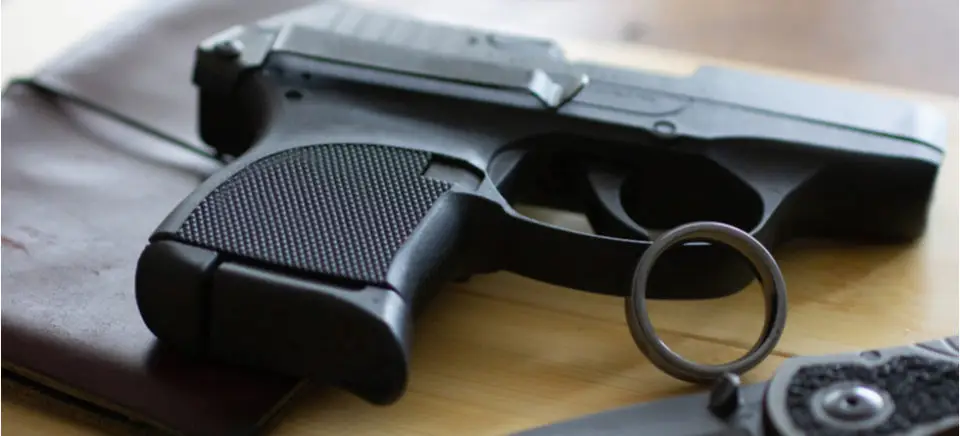
Bounty hunters are not automatically granted the right to carry guns because they are not law enforcement officers. Their authority comes from private contracts with bail bond companies, not from a government agency. While some bounty hunters are legally allowed to carry firearms, others are restricted based on state laws, licensing rules, or personal criminal history.
Legal Restrictions on Firearms
Each state sets its own rules about who can carry a gun and under what conditions. In many places, bounty hunters must meet the same requirements as civilians. This may include,
- Having a valid concealed carry permit
- Passing a background check
- Completing firearm safety or training courses
If a bounty hunter does not meet these requirements, they cannot legally carry a gun while working. Even in states where guns are allowed, the use of a firearm must follow strict rules and cannot be used to intimidate or abuse the person being arrested.
State-Specific Bans & Limits
Some states do not allow bounty hunters to carry firearms at all. These states often have tight controls over the profession or have banned commercial bail bonding entirely. In those areas, carrying a gun while working as a bounty hunter may be considered illegal, even if the person has a firearm license.
States that limit bounty hunter use of firearms often do so to reduce the risk of violence and protect public safety. The goal is to prevent private citizens from acting like armed officers without the proper training or oversight.
Company Policies & Insurance
Even if a bounty hunter is legally allowed to carry a firearm, the bail bond company they work for may have its own restrictions. Some companies do not allow their agents to carry guns due to liability concerns. Insurance providers may also refuse to cover incidents involving firearms, which puts more pressure on companies to ban their use.
Accountability & Risk
Firearms add significant legal and physical risks to any situation. If a bounty hunter uses a gun improperly, it could result in,
- Criminal charges for assault or manslaughter
- Civil lawsuits for injury or wrongful death
- Loss of license or ability to work in the field
Bounty hunters are expected to use force only when necessary and only within the limits of the law. Improper firearm use can damage the reputation of the profession and lead to stricter regulations.
Bounty hunters cannot automatically carry guns because they are not part of law enforcement and must follow civilian firearm laws. Their ability to carry a weapon depends on state laws, personal qualifications, and company policies. In many cases, restrictions exist to protect public safety and ensure that force is used responsibly. Carrying a firearm while working as a bounty hunter comes with serious responsibility and legal risk.

Bench Warrant Vs Warrant – What’s The Difference?

How Much Does A $500,000 Bond Cost?
What Is A Bounty Hunter?
