
What Weapons Can A Bounty Hunter Use?
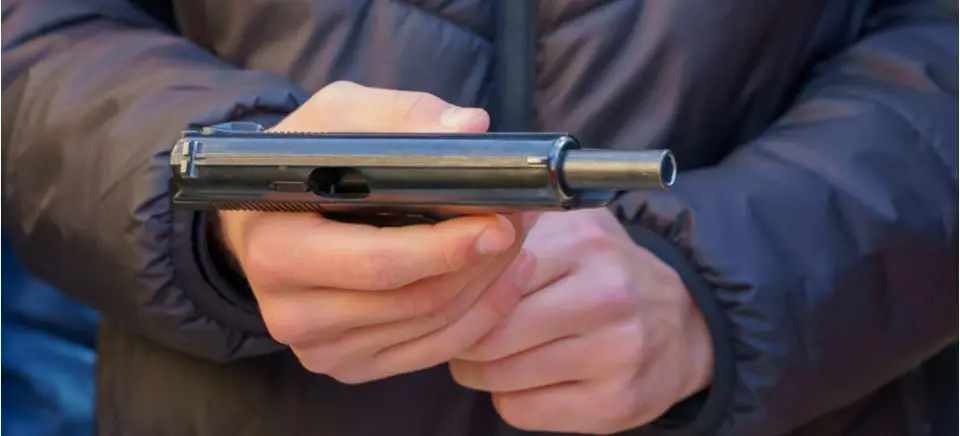
Bounty hunters are allowed to carry weapons in many states, but the type of weapon and how it is used depend on state laws, licensing requirements, and the rules of the bail bond company they work with. While some bounty hunters are armed, others work without weapons or only carry non-lethal tools. The use of any weapon must follow the law and cannot violate the rights of the person being apprehended.
Firearms
In states where it is legal, bounty hunters may carry firearms if they have the proper permits. This often requires a concealed carry license or similar firearm certification. Some states also require additional training or approval for armed bounty hunters. Rules may include,
- Must have a valid concealed carry permit
- A firearm must be legally registered
- May only use the weapon in self-defense
- Cannot threaten or intimidate suspects with a gun unless force is justified
Using a firearm during an arrest carries serious legal risk. If a bounty hunter uses a gun recklessly or without cause, they may be charged with a crime or face civil lawsuits.
Non-Lethal Weapons
Many bounty hunters choose or are required to carry non-lethal weapons instead of firearms. These tools can help detain a person safely without deadly force. Common non-lethal weapons include,
- Tasers or stun guns
- Batons or expandable clubs
- Pepper spray or mace
- Handcuffs and zip ties
These weapons must also be used within the limits of the law. Excessive force can still result in legal action, even if the weapon is non-lethal.
State and Local Restrictions
Some states have strict limits on what bounty hunters can carry. For example, a few states require bounty hunters to work unarmed, while others only allow them to carry weapons if they meet law enforcement-level certification. Local laws may also limit where weapons can be carried, such as inside private residences or across state lines.
Bounty hunters must also avoid impersonating police. Even if armed, they are not considered law enforcement and must clearly identify themselves as private agents working under contract.
Bounty hunters may be legally allowed to carry weapons depending on state laws and licensing rules. While firearms and non-lethal tools can be part of their job, any use of force must follow legal guidelines. Proper training, permits, and responsible conduct are necessary. Misusing a weapon while working as a bounty hunter can lead to criminal charges, lawsuits, or loss of licensure.

What are Cruel & Unusual Punishments?

Bench Warrant Vs Warrant – What’s The Difference?

What Is Schedule 4 Drug Charge?
