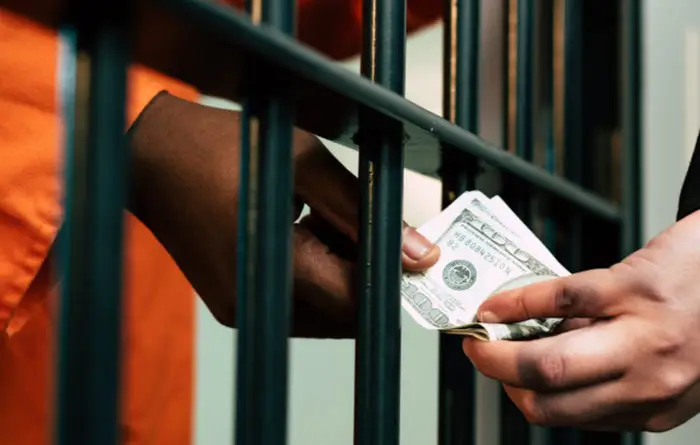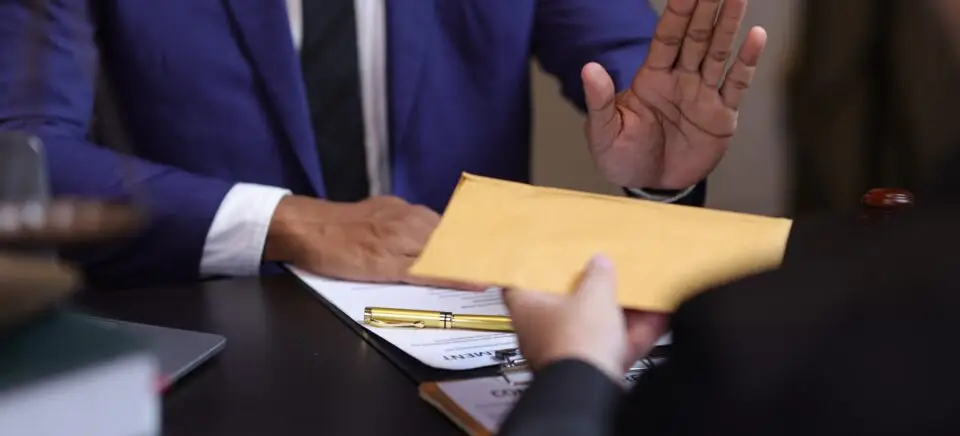
Yes, a bail bondsman can legally refuse to post bail for someone. While bail bond companies provide a service to help people get out of jail, they are private businesses and not required to accept every client. A bondsman evaluates risk before agreeing to post a bond, and if they feel the risk is too high, they can deny service.
Reasons a bondsman may refuse
Bail bond agents make decisions based on financial and legal risk. Some common reasons for refusal include,
- High flight risk – If they believe the defendant will skip court, they may decline the bond.
- Serious charges – For violent crimes or large bond amounts, the risk is greater.
- Lack of collateral – If the defendant or their family cannot offer property, cash, or co-signers, the bondsman may walk away.
- Bad history – If the person has missed court before or burned other bondsmen in the past, this can lead to refusal.
- Uncooperative behavior – Rudeness, dishonesty, or failing to follow instructions can also be a factor.
What happens if you’re denied
If a bondsman refuses to help, you still have other options,
- Try another bail bond company. Each one has its own standards and may view your case differently.
- Ask your lawyer to request a bond reduction in court.
- Ask the court for release on personal recognizance (no money required).
They are taking a risk
If a defendant fails to appear in court, the bondsman is financially responsible for the full bail amount. This is why they must carefully screen clients before accepting the risk.
A bail bondsman has the right to refuse service if they feel the bond is too risky or the defendant is unlikely to comply. While frustrating, it’s a business decision based on protecting their financial interests. If you are denied, you can still explore other legal and financial options to secure release.

Why Would A Bond Be Canceled?

How Much Is Bail If The Bond Is $10,000?

How Do I Cancel My Bond Agreement?