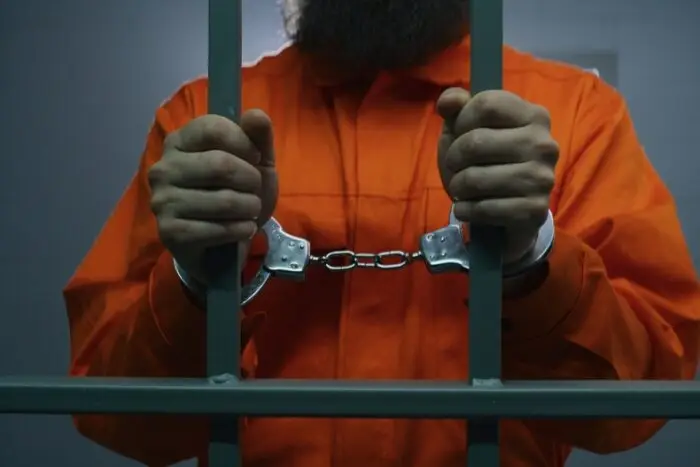
Can A Bail Bondsman Reject You?
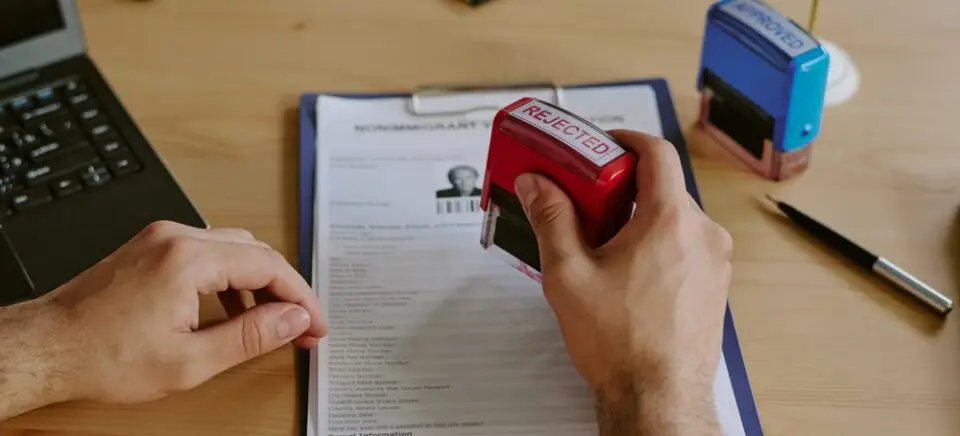
Yes, a bail bondsman can reject you. Bail bond companies are private businesses and have the right to refuse service if they believe the case poses too much risk. Since bondsmen take on financial responsibility for the defendant’s appearance in court, they carefully evaluate each case before agreeing to post bond.
Why Bondsmen Deny Applications
A bail bondsman can deny service for several reasons, including the severity of the charge, lack of collateral, or poor financial history. Each company has its own underwriting rules and risk assessment process. If the defendant appears unreliable or likely to skip court, the bondsman may reject the request altogether.
Common Reasons For Rejection
- Serious charges – Defendants accused of violent crimes, such as murder or assault, often face rejection because the risk of forfeiture is high.
- Insufficient collateral – Without property or assets to guarantee repayment, the bondsman may not approve the bond.
- Past bail violations – A history of missed court dates or revoked bonds makes approval less likely.
- Unstable background – Defendants with no job, no address, or weak community ties may be considered flight risks.
What To Do If Denied
Being denied by one bondsman does not mean you cannot get a bond. Each company has different risk tolerance levels, so contacting another bondsman may lead to approval. Providing trustworthy cosigners, strong references, or additional collateral can improve your chances. In some cases, your attorney can also petition the court to lower the bail amount.
A bail bondsman can legally reject you if the case appears too risky or lacks sufficient financial security. Yet, other companies may still accept your application if you meet their requirements. Being transparent, prepared, and reliable increases the likelihood of finding a bondsman willing to help secure release.

What’s The Most Expensive Bail?
What Does A $15000 Bond Mean?

What Comes After An Indictment?