How To Get Probation Reinstated?
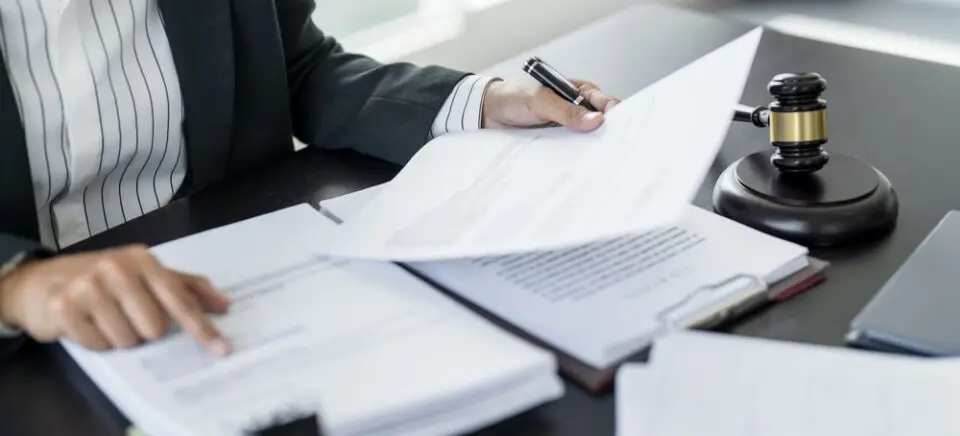
If your probation was revoked or violated, it may be possible to have it reinstated. Probation reinstatement gives you another chance to remain under supervision instead of serving jail time. The process involves requesting a hearing, showing progress, and convincing the judge that you can follow the court’s orders. Having an attorney helps improve your chances by presenting evidence of responsibility and rehabilitation.
Why Probation Gets Revoked
Probation can be revoked when the court believes you broke the conditions of your release. Common violations include missed meetings, positive drug tests, or new criminal charges. Understanding what led to the violation helps you address those issues during your reinstatement request.
- Missed check-ins – Failing to report to your probation officer as scheduled.
- Positive drug or alcohol tests – Using substances when ordered to remain sober.
- New criminal offenses – Being arrested or charged again while on probation.
- Failure to pay fines or restitution – Ignoring court-ordered payments or fees.
Steps To Get Probation Reinstated
Reinstating probation requires court approval. You or your attorney must file a motion asking the judge to reconsider the revocation and allow supervision to continue. The court looks at your behavior, compliance record, and reasons for the violation before deciding.
- File a motion for reinstatement – Your lawyer submits a formal request to the court explaining why probation should be restored.
- Attend the hearing – You must appear before the judge, often with your probation officer and attorney present.
- Show responsibility – Bring proof of employment, community service, or treatment program participation to demonstrate progress.
- Apologize and explain – Be honest about your mistake and show you understand the conditions moving forward.
What The Judge Considers
The judge reviews several factors when deciding whether to reinstate probation. The main question is whether you are willing and able to follow the rules if given another opportunity.
- Severity of the violation – Minor technical violations are more likely to be forgiven than serious ones.
- Prior compliance – A good history of following probation terms can work in your favor.
- Rehabilitation efforts – Participation in counseling, employment, or education programs shows improvement.
- Probation officer’s recommendation – Their opinion can heavily influence the court’s decision.
How An Attorney Can Help
An experienced defense attorney can prepare the necessary paperwork, communicate with the probation department, and argue your case in court. They can also help negotiate new terms if full reinstatement isn’t possible.
- Negotiate reduced penalties – Some violations can be resolved with extended supervision or added conditions instead of jail.
- Present strong evidence – Letters from employers, family, or counselors can support your request.
- Explain progress – Showing accountability can persuade the judge to give you another chance.
To get probation reinstated, you must file a motion, attend a hearing, and prove you deserve another opportunity. Demonstrating responsibility, following treatment or employment programs, and working with an attorney can make the difference between continued probation and jail time. Judges often reward genuine effort and compliance with reinstatement rather than harsher punishment.

Can A Judge Give You A Second Chance?

What Happens After An Immigration Bail?