What’s A Good Charge For A Battery?

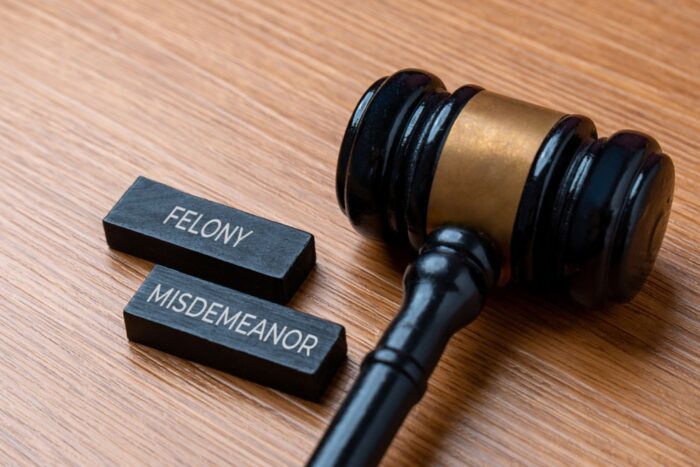
There’s no such thing as a “good” charge for battery, but in legal terms, the best possible outcome depends on the degree and severity of the offense. Battery charges range from simple battery, a misdemeanor with lighter penalties, to aggravated battery, a serious felony involving injury or use of a weapon. The goal is always to have the charge reduced to the least severe level possible through legal defense or plea negotiation.
Simple Battery (Least Severe)
A simple battery is the mildest form of the charge. It usually involves minor, non-serious contact or harm, such as pushing or slapping. In Kansas, it’s typically a Class B misdemeanor.
- Penalties – Up to 6 months in jail and fines up to $1,000.
- Best-case scenario – Can sometimes be reduced to disorderly conduct or dismissed with probation.
- Legal strategy – Showing a lack of intent, self-defense, or minimal injury helps reduce severity.
Domestic Battery
Domestic battery involves physical harm to a family or household member. While it’s still a misdemeanor for first offenses, penalties increase sharply for repeat violations.
- First offense – Class B misdemeanor, similar to simple battery.
- Second or third offense – Can become a felony with mandatory jail time and longer probation.
- Defensive approach – Demonstrate lack of injury, mutual combat, or false accusation.
Aggravated Battery (Most Serious)
Aggravated battery is a felony that involves serious injury, permanent harm, or use of a deadly weapon. This is not a “good” charge, as it often leads to years in prison.
- Severity level – Ranges from Level 4 to Level 7 felony, depending on intent and injury.
- Penalties – Can include up to 15 years in prison and large fines.
- Reduction goal – Defense attorneys often negotiate to lower this to simple battery or reckless conduct.
What a “Good” Outcome Means
A “good” outcome in a battery case typically means avoiding a felony conviction or jail time. The best case is to have the charge reduced to a misdemeanor or dismissed through diversion programs, probation, or anger management completion.
- First-time offenders often qualify for diversion programs.
- Demonstrating self-defense or lack of intent can result in a charge reduction.
- Completion of counseling or restitution may lead to dismissal.
The best possible charge in a battery case is simple battery, a misdemeanor that carries lighter penalties. The goal is to avoid felony-level charges like aggravated battery through negotiation, evidence review, or participation in diversion programs.

Are Federal Charges More Serious?
What’s The Worst Felony To Get?

Why Do Murderers Get Short Sentences?