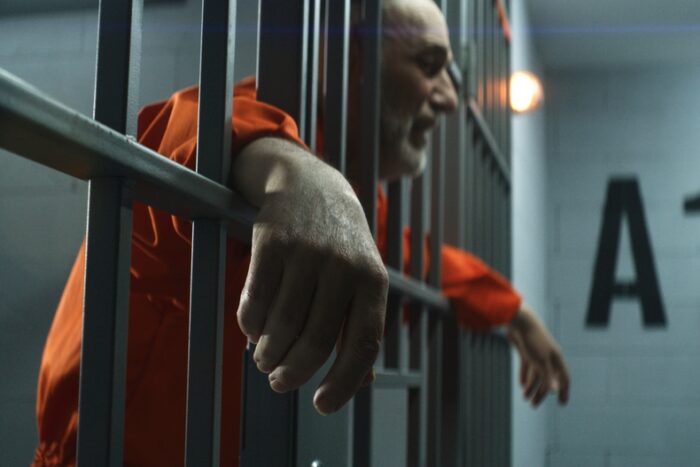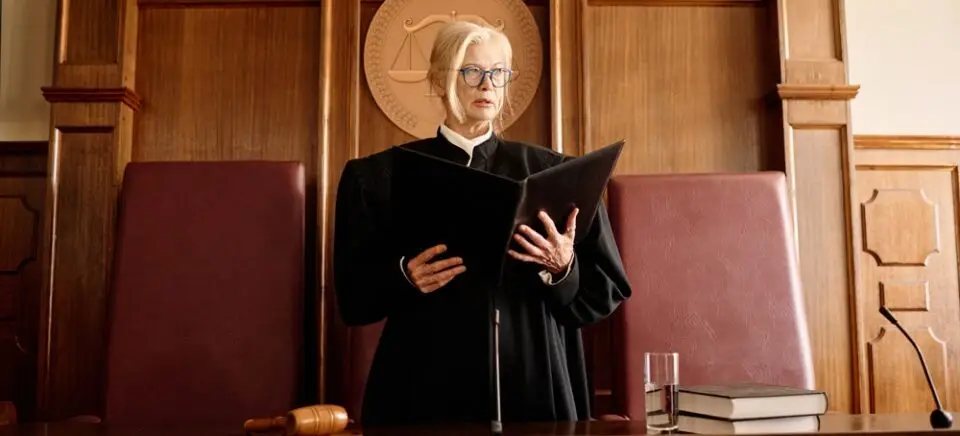
When a judge finds that a probation violation has occurred, they can choose to continue, modify, or revoke probation depending on the severity of the violation and the defendant’s history. The decision is based on the evidence presented during the revocation hearing and whether the violation was willful or accidental. Judges aim to balance accountability with rehabilitation, considering both public safety and the offender’s progress.
Continuing Probation
If the violation is minor or appears to be a mistake, the judge may allow the defendant to remain on probation under the same conditions. This option is common for first-time or technical violations, such as missing one appointment or paying fines late.
- Used for minor violations – Like missed meetings or small payment delays.
- Judge issues warning – Defendant is reminded to comply fully moving forward.
- No jail time imposed – But future violations may trigger harsher penalties.
Modifying Probation Conditions
When a violation shows some noncompliance but not enough to revoke probation completely, the judge can modify the terms. This means the probationer stays under supervision but with stricter or additional requirements.
- Common modifications – Increased reporting, curfews, drug testing, or mandatory counseling.
- Extended probation – Judges may lengthen the probation period for continued oversight.
- Added community service or treatment – Helps address the root causes of the violation.
Revoking Probation
If the judge finds the violation serious or repeated, they may revoke probation. This means probation is canceled, and the defendant must serve part or all of their original jail or prison sentence.
- Triggered by serious violations – Such as new crimes, repeated drug use, or willful disobedience.
- Custody ordered – The judge can impose the original sentence or a portion of it.
- No further probation – Once revoked, supervision usually ends with incarceration.
Factors Judges Consider
Judges weigh multiple factors before deciding how to respond to a probation violation. They look for evidence of effort, intent, and whether the defendant poses a risk to public safety.
- Severity and nature of the violation.
- Defendant’s criminal and compliance history.
- Recommendations from probation officers.
- Efforts to correct or explain the violation.
Possible Outcomes
The court’s final decision depends on the facts of the case and the offender’s overall behavior while on probation. Even after a violation, judges often try to keep rehabilitation as the focus unless public safety is at risk.
- Warning or continuation – For minor or first-time violations.
- Modified terms – For noncompliance that can still be corrected.
- Revocation and incarceration – For repeated or serious violations.
When a judge finds a probation violation, they can continue probation, modify the terms, or revoke it entirely. The outcome depends on how serious the violation is, the defendant’s record, and their willingness to follow court orders moving forward.

How Do Probation Officers Find Out About Violations?
Can A Judge Give You Probation Instead Of Jail Time?
Can You Get Probation For A Felony In Kansas?