
Are You Allowed To Drink Alcohol While Out On Bail?
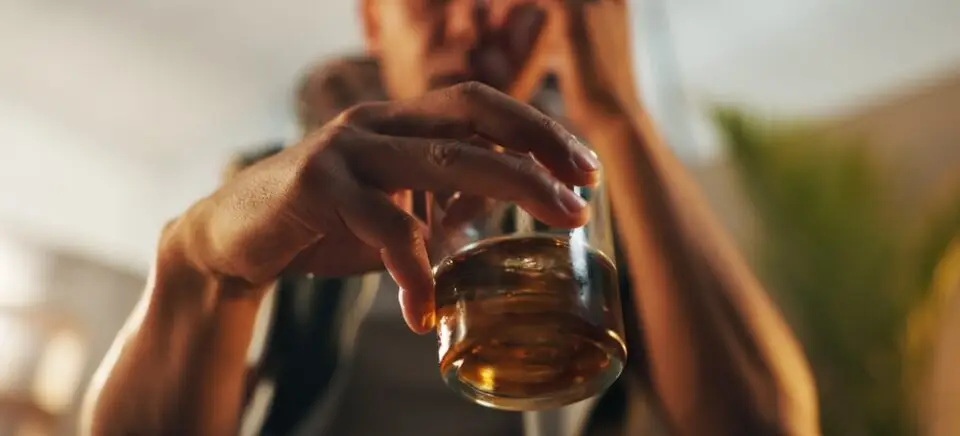
May it be you can drink alcohol while out on bail depends on your case and the specific conditions set by the judge. In Kansas and most other states, courts often place restrictions to ensure defendants follow the law and appear in court. Some people may drink while on bail, but those charged with alcohol-related crimes are usually prohibited from doing so.
When You Can Drink While On Bail
- If your charges are not connected to alcohol or drugs, the court may not restrict drinking.
- For minor or nonviolent offenses, judges sometimes allow moderate alcohol use as long as you avoid new legal trouble or violating other bond conditions.
- Even if drinking is not restricted, it is best to avoid alcohol before court appearances or meetings with your attorney to avoid negative impressions.
When Drinking Is Not Allowed
- Charges involving DUI, public intoxication, or substance abuse usually come with a no-alcohol condition.
- People on supervised or pretrial release are often required to stay completely sober and may face random alcohol or drug tests.
- Breaking this rule can cause bond revocation, which means you could be taken back into custody until trial.
- Even a single positive test for alcohol can be enough to count as a violation of bond terms.
Monitoring And Enforcement
- Courts may use breath tests, SCRAM ankle monitors, or urine screenings to ensure compliance with no-alcohol rules.
- Pretrial service officers or bondsmen may perform unannounced checks to confirm you are following the court’s conditions.
- Any violation can lead to stricter release conditions, a higher bond amount, or jail time.
Consequences Of Violating No-Alcohol Conditions
- The judge can revoke your bond and order you to return to jail until your next hearing.
- Your bond amount may increase, or you may lose the ability to post bond again.
- Violations can also hurt your credibility and increase the severity of your sentence if you are convicted later.
How To Check Your Bond Conditions
- Review your bond paperwork carefully since it lists every condition you must follow while on release.
- Ask your attorney or bondsman to explain your restrictions before consuming alcohol or traveling anywhere that serves alcohol.
- If you believe the restrictions are unfair, your attorney can file a request asking the court to modify your bond conditions.
Drinking alcohol while out on bail may be allowed if your case has no connection to alcohol or drugs, but it is strictly forbidden for DUI and related charges. Violating a no-alcohol condition can lead to your bond being revoked, additional penalties, and time in jail. Always confirm your bond terms with your attorney before drinking to avoid problems.

Can You Bail Yourself Out Of Jail In The US?
On
October 8, 2025
What Is The Cheapest Way To Bail Someone Out Of Jail?
On
February 26, 2025

What Is The Most Common Bail Amount?
On
June 6, 2025

Why Is Customer Service Important In Bail Bonds?
On
May 6, 2025