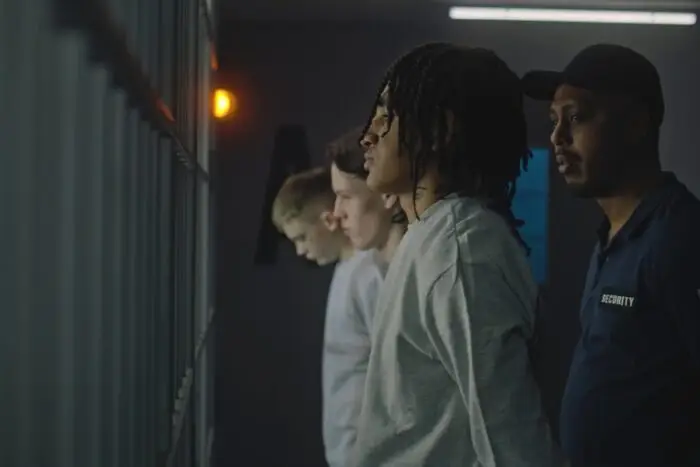
Can A Registered Sex Offender Be Around Kids?

May it be a registered sex offender can be around children depends on several factors, including the type of offense, probation or parole conditions, and state laws. Restrictions are not the same for every offender. Some individuals face strict prohibitions that prevent any contact with minors, while others may have limited or supervised contact permitted under specific circumstances. Courts and supervising officers set these conditions to protect public safety and ensure compliance with legal requirements.
General Legal Restrictions
- Probation or Parole Conditions – Most sex offenders under supervision are prohibited from having unsupervised contact with minors. This includes being near schools, playgrounds, or children’s events without permission.
- Offense-Specific Rules – Offenders whose crimes involved minors typically face the strictest restrictions. In many states, they cannot live, work, or loiter within a certain distance of places where children gather.
- State Law Variations – Each state sets its own limits on how registered offenders can interact with minors. Some states require written permission from a parole officer or treatment provider for any contact.
- Employment & Volunteer Restrictions – Registered offenders are generally banned from working or volunteering in schools, daycare centers, youth programs, or any setting that regularly involves children.
Examples of Common Restrictions
- Prohibition from living within 1,000 to 2,500 feet of schools, parks, or playgrounds.
- Ban on attending family gatherings or events where children are present without supervision.
- Requirement to notify parole or probation officers before being in any situation involving minors.
- Mandatory supervision by an approved adult when contact with children is necessary, such as family visits.
Family Exceptions & Court Permissions
- In some cases, courts may allow supervised contact between a registered sex offender and their own children or close relatives, provided there is no history of abuse toward those minors.
- The offender must typically receive prior approval from a judge, parole officer, or therapist, and the contact may only occur in controlled environments.
- Even with approval, any violation of supervision rules can result in arrest and revocation of parole or probation.
Consequences of Violating Restrictions
- Violating no-contact or proximity rules is considered a serious offense and can lead to re-arrest, imprisonment, or additional charges.
- Courts may extend registration requirements, revoke parole, or increase supervision levels for violations.
When Limited Contact May Be Permitted
- When the offender’s crime did not involve minors, and the court does not impose specific restrictions on being around children.
- When contact occurs in public spaces without intent to interact with minors, such as being at a grocery store, church, or doctor’s office, where children may be present.
- When the offender has completed probation and all court-imposed restrictions, though registration rules may still apply.
Most registered sex offenders are prohibited from unsupervised contact with children, especially if their crime involved a minor. But certain exceptions exist under strict supervision or court approval. The safest approach for any offender is to follow all probation, parole, and registration conditions precisely to avoid new charges or penalties.
Is Burglary Worse Than Theft?
Does Probation Violation Go On Your Record?

Can You Be Denied A Job For Being A Sex Offender?