

For a person to be bonded, they must meet specific eligibility requirements depending on the type of bond it is, may be it’s a criminal bail bond (to get out of jail) or an employment or surety bond (to handle…

If you are denied bail, you can be held in jail until your case is resolved or a judge reconsiders the decision. There is no set time limit for how long bail can be denied. Once a judge orders “no…

A $500,000 bail is usually set for serious or high-risk criminal cases. Judges assign such a large amount to make sure the defendant appears in court and doesn’t pose a danger to the community. High bail reflects the severity of…
In most cases, you cannot leave the state while you are out on bond unless you receive official permission from the court or your bail bondsman. Being on bond means you have agreed to specific conditions for your release, and…

After an immigration bail is granted and paid, the individual is released from immigration detention but remains under supervision while their case continues. Immigration bail, also called an ICE bond, does not end the case. It simply allows the person…

Some people get bond and some don’t because judges set bond based on the seriousness of the charges, criminal history, and the person’s risk of fleeing or committing another crime. In Kansas and throughout the U.S., bond is meant to…

In some cases, you can be released on bail even after a conviction, but it depends on the crime, the sentence, and whether you are appealing the verdict. Post-conviction bail, often called an “appeal bond,” allows a defendant to stay…

Jail bonds are determined by the court shortly after a person is arrested. The judge or magistrate reviews the case details to decide if the defendant should be released before trial and how much money or security is required to…

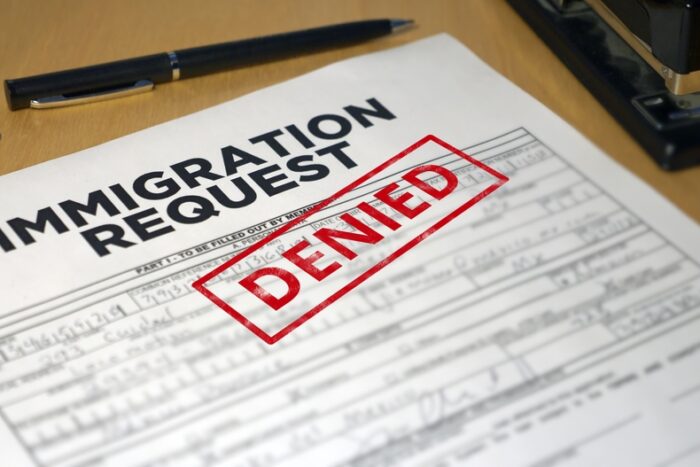
Yes, a bail bond can be denied under certain circumstances. While most people have the right to bail, judges can refuse to grant it if the defendant poses a high risk of fleeing, threatens public safety, or is charged with…
Bailing someone out can affect you financially and legally because you become responsible for ensuring the defendant attends all court hearings. If the defendant fails to appear, you could lose the money or collateral you used for bail, and additional…