

When someone is arrested and bail is set, one option for release is to use a bail bond. This involves paying a bail bondsman a percentage of the total bail amount in exchange for securing your release. While this can…

If you do not have a bond, getting out of jail is difficult but not always impossible. Having “no bond” means the court has decided you cannot be released until a judge reviews your case or until it is resolved.…

No, a bail bondsman cannot pay a cash-only bond. A cash-only bond is a special condition set by the judge that requires the full bail amount to be paid directly to the court in cash or certified funds. Unlike standard…

Yes, a DUI can be dismissed in Kansas, but it depends on the facts of your case. A dismissal usually happens when evidence is unreliable, your rights were violated, or the arrest process was mishandled. Kansas DUI laws are strict,…

If a judge sets a $1,000 bond, you usually pay only a portion of that amount to secure release, depending on the type of bond. If you use a bail bondsman, the standard non-refundable fee is 10-15%, meaning you’d pay…

Yes, a $500,000 bond is considered very high. Bonds are set based on the seriousness of the charges, the defendant’s criminal history, risk of flight, and potential danger to the community. A bond at this level often indicates the court…

A $5,000 cash bond means the defendant must pay the full $5,000 amount directly to the court to be released from jail while waiting for trial. Unlike a surety or bail bondsman arrangement, a cash bond does not involve a…

Yes, most defendants are required to check in with their bail bondsman while out on bond. The frequency and method of check-ins depend on the bondsman, the seriousness of the charges, and your level of risk. Regular check-ins help ensure…

You do not always get all your bond money back. Whether you receive a refund depends on how the bond was paid, the outcome of the case, and whether the defendant appeared for all court hearings. Understanding the process helps…
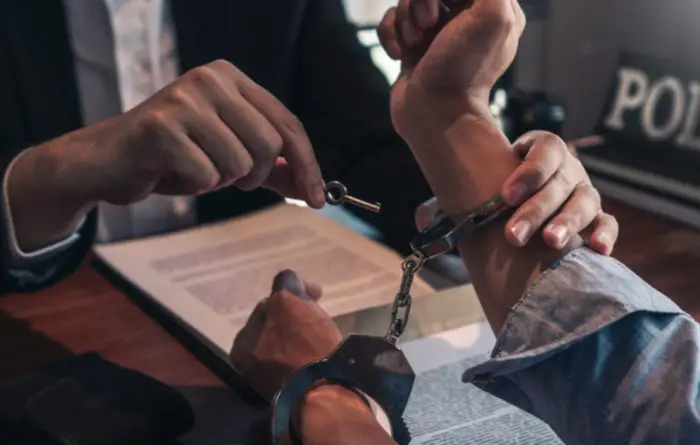
Yes, bail can be available during a preliminary investigation. Even before formal charges are filed in court, a person under investigation may seek what is often referred to as “anticipatory bail” or pre-charge bail. The purpose is to prevent arrest…