

The reason you usually only need to pay 10% of the bail amount is that the fee is what a bail bondsman charges to post your full bail with the court. Instead of paying the entire amount yourself, you pay…

The most common bail amount in the United States is around $10,000, though it varies widely depending on the charge, jurisdiction, and individual circumstances. Bail amounts are not uniform because judges set them based on factors like the severity of…

Yes, you can bail someone out of jail while on probation, but it depends on your probation terms and the type of case involved. Kansas courts and probation officers may place restrictions on your activities, and posting bail for someone…
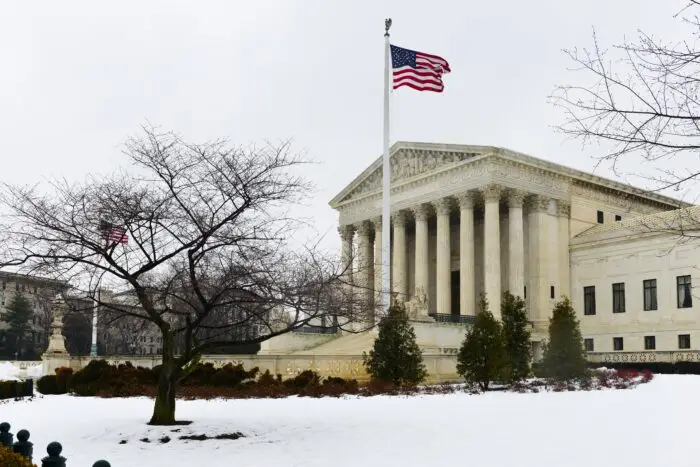
Getting bail in a federal case involves a more detailed process than in state court. Federal bail is not based on a fixed schedule. Instead, it depends on a hearing where the judge reviews the case, the defendant’s background, and…

The terms "bond" and "bail" are closely related, but they are not the same. Both are used in the criminal justice system to allow a person accused of a crime to remain free while waiting for court proceedings. Yet, they…

The terms “bond” and “bail” are often used interchangeably in criminal cases, but they refer to two related yet distinct parts of the same legal process. Both exist to ensure that a defendant returns to court after being released from…

If you bail someone out of jail and they miss court, you become financially responsible for the full bail amount. When a defendant fails to appear, the court issues a bench warrant for their arrest and declares the bond forfeited.…

Getting free bail means being released from jail without having to pay any money up front. This is usually done through a type of release called a personal recognizance (PR) bond. Not everyone qualifies for free bail, but under certain…

Yes, federal inmates can receive bail, but it is not guaranteed. In the federal system, pretrial release is handled differently from many state systems. Instead of automatically setting a bail amount, the court holds a detention hearing to determine if…

After posting an Immigration Bail (Form I-201), the detainee is released from immigration custody while their case moves forward in immigration court. This release allows the individual to live outside detention, but they must follow strict conditions such as attending…