

May a bond gets paid back still depends on the type of bond and how it was paid. When someone is released from jail on bond, the money acts as a financial promise that they will attend all court hearings…
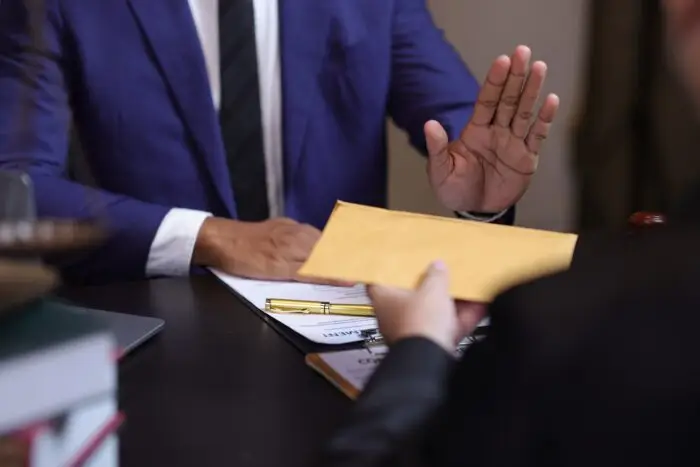
Yes, a bail bondsman can legally refuse to post bail for someone. While bail bond companies provide a service to help people get out of jail, they are private businesses and not required to accept every client. A bondsman evaluates…

When someone is arrested, one of the first decisions they may face is how to secure their release from jail. Bail allows a defendant to be released while awaiting trial, but the amount can be costly. In many cases, people…

Yes - a bond can be taken away under certain conditions. When a person is released from jail on bond, they must follow specific rules set by the court. If those rules are violated or new circumstances arise, the court…

Yes, bail bondsmen can lose money if a defendant fails to appear in court or violates the bond agreement. When a bail bondsman posts bail, they take on financial risk by guaranteeing the full bail amount to the court. If…

For a person to be bonded, they must meet specific eligibility requirements depending on the type of bond it is, may be it’s a criminal bail bond (to get out of jail) or an employment or surety bond (to handle…
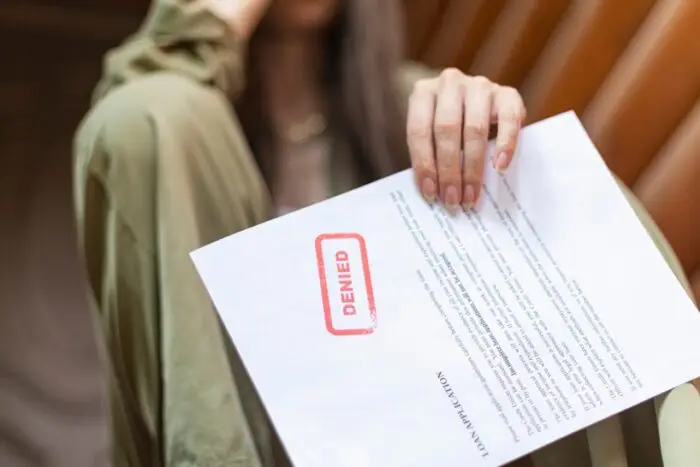
Some people get bond and some don’t because judges set bond based on the seriousness of the charges, criminal history, and the person’s risk of fleeing or committing another crime. In Kansas and throughout the U.S., bond is meant to…

The main difference between bond and probation is when and why they apply in the criminal justice process. A bond is connected to pretrial release, which happens after someone is arrested but before they go to court. Probation is part…

When you’re out on bond in Kansas, you’re allowed to stay out of jail while your case is pending, but you must follow strict bond conditions set by the court. These rules are meant to ensure you appear at all…

In Kansas, a bail bondsman helps defendants get out of jail by posting a surety bond on their behalf. Instead of paying the full bail amount set by the court, the defendant (or someone on their behalf) pays the bondsman…