

Homicide itself is not always premeditated. The word “homicide” simply means one person causes the death of another, but it doesn’t describe intent or circumstances. Some homicides are intentional and planned, while others happen suddenly, accidentally, or in self-defense. In…

If you want to stop being responsible for a bail bond, you must follow formal legal steps. You cannot simply walk away. Co-signers, indemnitors, and bondsmen have specific rights and duties. The court and the bonding company control when your…

Federal crimes are serious offenses that violate United States laws rather than state or local laws. You go to the feds when a crime affects national interests, crosses state lines, or involves federal property or agencies. Federal prosecutors and investigators,…

In most cases, you cannot bail someone out of jail after sentencing. Once a judge issues a sentence, the person is no longer awaiting trial; they are now serving their punishment. Bail exists to ensure a defendant appears in court…
When someone is arrested, the court may allow release before trial if they post a bond. A bond guarantees that the defendant will appear for future court dates. There are several types of bonds for jail, each with different rules,…

You only need to pay 10 percent of the total bail amount when using a bail bondsman because that payment is a service fee for the bail bond company. The bail bondsman guarantees the full bail amount to the court,…
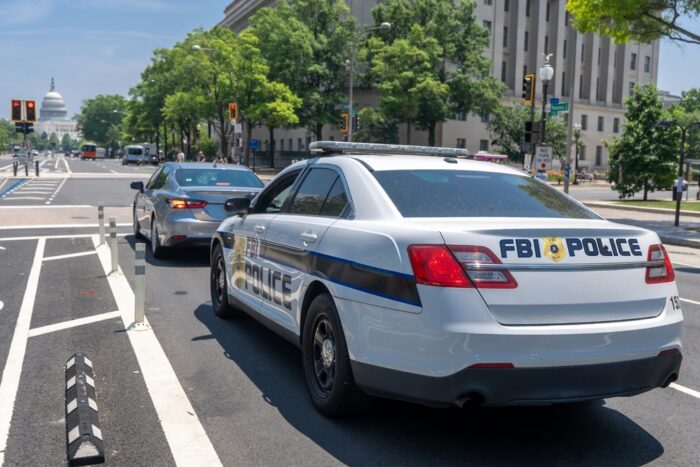
When the federal government indicts you, it means a grand jury has reviewed evidence from prosecutors and decided there is enough proof to charge you with a crime. An indictment is not a conviction, but it marks the start of…

When a defendant is released on bail, they gain temporary freedom while their case moves through the courts. But that freedom comes with strict conditions. Violating any bail terms can result in arrest, bond revocation, or new criminal charges. The…

The time it takes to get an immigration bail, also called an immigration bond, ranges widely, from a few days to several weeks. The process depends on several factors, including how quickly Immigration and Customs Enforcement (ICE) reviews the case,…

The Federal Bail Reform Act is a U.S. law that governs how federal courts decide whether to release or detain defendants before trial. Originally passed in 1966 and later amended in 1984, it establishes guidelines to ensure that bail decisions…