

You do not always get all your bond money back. Whether you receive a refund depends on how the bond was paid, the outcome of the case, and whether the defendant appeared for all court hearings. Understanding the process helps…

The cost of an immigration bond varies widely depending on the individual’s circumstances, risk factors, and the type of bond granted by Immigration and Customs Enforcement (ICE). Most immigration bonds range between $1,500 and $10,000, though the amount can be…

Ten percent of a $150,000 bail is $15,000. This is the standard fee charged by a bail bondsman to post bail on a defendant’s behalf. It is known as the bond premium and is typically non-refundable, regardless of how the…

A million-dollar bond means the court requires a financial guarantee of one million dollars to release a defendant before trial. It reflects the seriousness of the charges and the perceived risk that the defendant may flee or pose a danger…

A bail bondsman makes money by charging a non-refundable fee, usually 10% of the total bail amount, to post bail for a defendant. This fee is their profit, regardless of the outcome of the case. The bondsman takes on financial…

The cost of a $12,000 surety bond depends on the bond rate you qualify for, which is based on your credit score, bond type, and financial reliability. In most cases, you’ll pay between 1% and 3% of the bond amount annually.…
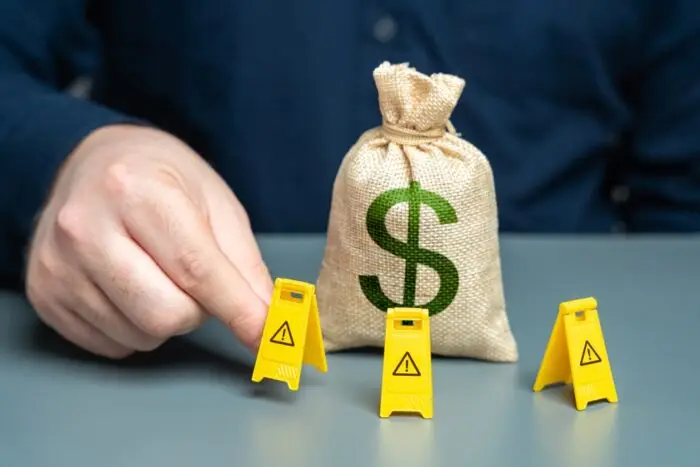
A cash-only bond is a type of bail that must be paid entirely in cash. Unlike other bonds, where a bail bondsman or property can be used to secure release, a cash-only bond requires the full amount to be paid…
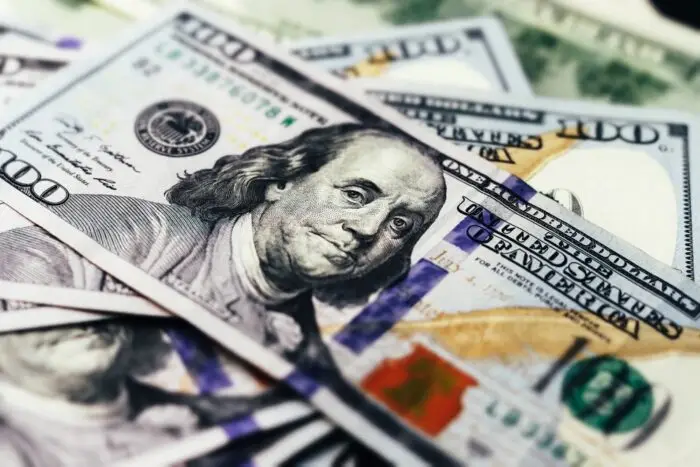
A $50,000 cash bond means the defendant must pay the full amount, $50,000, in cash to be released from jail while awaiting trial. This type of bond does not allow for a bail bondsman, property bond, or partial payment. The…

The cost of a $25,000 bail bond depends on how the bail is paid and whether a bail bondsman is used. If you pay the court directly, you must provide the full $25,000 upfront as cash bail. Regardless, if you…

A bondsman makes money by charging a non-refundable fee, usually 10% of the total bail amount, to secure a defendant’s release from jail. This fee is the bondsman’s profit for taking on the financial risk of posting the full bail…