
Getting a probation violation dismissed in Kansas depends on the circumstances of the violation, the evidence against you, and how quickly you respond. While it’s not easy, it is possible to have a violation dismissed or resolved without jail time…
The two main reasons for probation revocation are technical violations and new criminal offenses. When a person is on probation, they must follow certain conditions set by the court, such as attending meetings, avoiding drugs or alcohol, and staying out…

The three steps in the probation revocation process include the initial hearing, the revocation hearing, and the sentencing or reinstatement decision. Each stage allows the court to determine whether a probation violation occurred and what consequences should follow. In Kansas,…

At a probation revocation hearing, the judge reviews allegations that a person violated the terms of their probation and decides whether to continue, modify, or revoke probation altogether. Unlike a criminal trial, there is no jury; the judge alone hears…
Getting a warrant while on probation is a serious issue that can lead to immediate arrest and possible revocation of your probation. In Kansas, a warrant is issued when a probation officer or judge believes you violated the terms of…
Probation revocation occurs when a person who has been sentenced to probation violates its terms, and the court decides to cancel it. Once probation is revoked, the judge can impose the original jail or prison sentence that was suspended, meaning…
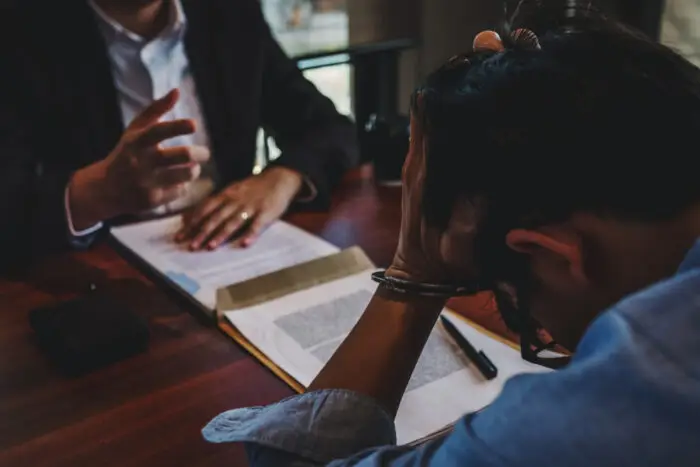
Probation can be revoked when a person commits serious or repeated violations of the court’s conditions. Common violations that result in probation revocation include committing a new crime, failing drug or alcohol tests, missing meetings with a probation officer, or…

If you get pulled over while on probation, what happens next depends on the reason for the stop, your behavior, and if you violated any probation terms. A simple traffic stop does not automatically mean a probation violation, but certain…