Do Misdemeanors Get Warrants?
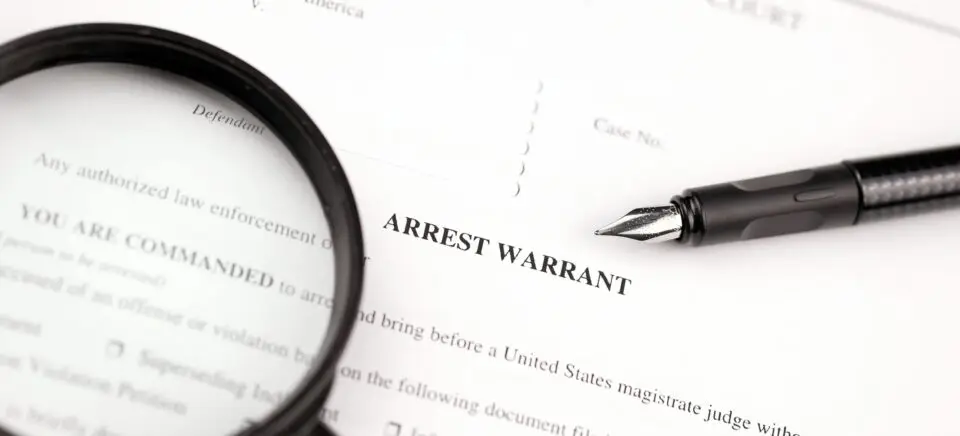
Many people associate arrest warrants with serious crimes, but even minor offenses can lead to legal action. A common question is if misdemeanors can result in warrants. The answer is yes – misdemeanor charges can and often do lead to the issuance of arrest warrants. Understanding when and why this happens can help you avoid unexpected legal trouble.
What Is a Misdemeanor?
A misdemeanor is a criminal offense that is less serious than a felony but more serious than an infraction. These offenses typically carry penalties such as fines, probation, community service, or jail time of up to one year. Despite being considered lower-level crimes, misdemeanors are still part of a person’s criminal record and can lead to formal charges and court proceedings.
- Examples include petty theft, simple assault, disorderly conduct, and DUI
- Often handled in municipal or county courts
- Convictions can affect employment, housing, and driving privileges
When Are Warrants Issued for Misdemeanors?
An arrest warrant may be issued for a misdemeanor in several different situations. The key factor is in case the individual failed to comply with the legal process or committed an offense that justifies immediate law enforcement involvement. While some misdemeanors result in a summons to appear in court, others involve a warrant right away.
- Failure to appear in court for a scheduled hearing
- Failure to pay court-ordered fines or restitution
- Violating terms of probation or pretrial release
- Committing a misdemeanor in front of an officer
In some jurisdictions, law enforcement officers can issue a citation for minor misdemeanors and release the person with a notice to appear. But if the person ignores that notice, the court will typically issue a bench warrant for their arrest.
Types of Misdemeanor Warrants
Two main types of warrants can apply to misdemeanor cases – arrest warrants and bench warrants. Both result in the possibility of being taken into custody, but they arise from different situations.
- Arrest warrant – issued when a law enforcement agency formally charges someone with a misdemeanor
- Bench warrant – issued by a judge for failure to follow court orders, such as missing a court date
Both types are serious and can lead to being arrested at home, work, or during a routine traffic stop. In many cases, the individual may not even know a warrant exists until an encounter with police brings it to light.
Yes, misdemeanors can lead to warrants. Even though these crimes are not as severe as felonies, the legal system treats them seriously enough to issue arrest or bench warrants in many situations. Failing to appear in court, ignoring citations, or violating court orders can all result in a warrant. If you believe you might have a warrant for a misdemeanor, it’s important to seek a legal professional and address the issue promptly before it leads to an arrest.

Can Police Look In Your House Windows?

How To Clear A Probation Violation Warrant?

Can You Fly With A Misdemeanor Warrant On Reddit?