
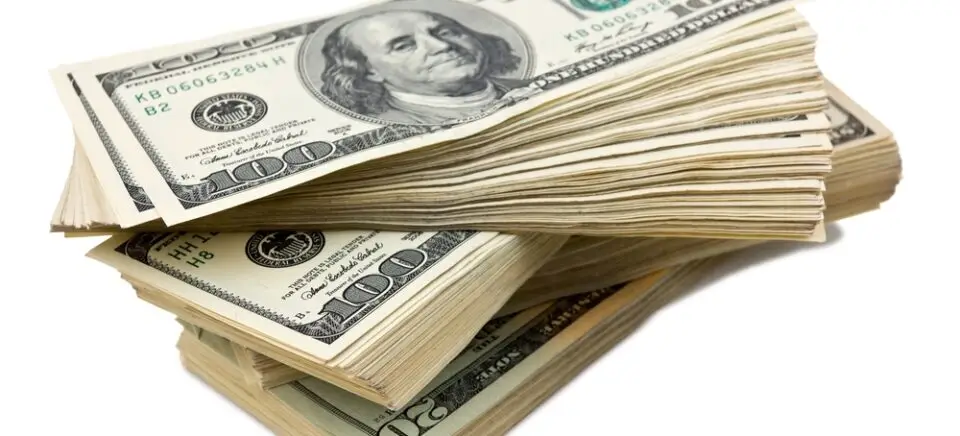
No, you usually do not have to pay 100 percent of your bond to get out of jail. The amount you pay depends on the type of bond set by the court and whether you use a bail bondsman. In most cases, defendants only pay a portion of the total bond amount upfront, while the rest is guaranteed by the bondsman or secured with collateral. The purpose of a bond is to make sure you return to court, not to punish you financially.
Paying A Cash Bond
- If the court requires a cash bond, you must pay the entire bond amount directly to the jail or court to be released.
- For example, if the bond is $5,000, you must pay the full $5,000 in cash or certified funds.
- The money is refunded after your case ends, as long as you appear at all court hearings and follow release conditions.
- If you miss court, you lose the full amount, and a warrant will be issued for your arrest.
Using A Bail Bondsman
- Most people use a bail bondsman to avoid paying the full amount upfront.
- The bondsman charges a nonrefundable fee, usually 10 percent of the total bond amount.
- For example, if your bond is $10,000, you pay $1,000 to the bondsman, and they post the full amount with the court.
- The bondsman guarantees your appearance in court and may require collateral, such as property or a vehicle, to cover the rest if you fail to appear.
Property Bonds
- In some cases, you can post a property bond by using real estate or valuable assets as security.
- The property must have enough value to equal or exceed the bond amount.
- If you fail to appear in court, the court can place a lien on or seize your property.
Own Recognizance Release
- For minor offenses, the judge may release you on your own recognizance (OR) without paying any money.
- This means you promise to attend all court dates and follow conditions like avoiding new charges or checking in with a pretrial officer.
- Failure to appear can result in a new warrant and additional charges.
You do not always have to pay 100 percent of your bond. If you post a cash bond, you must pay the full amount, but if you use a bail bondsman, you usually pay around 10 percent as a nonrefundable fee. Some defendants may also qualify for release on their own recognizance, which requires no payment at all.
Are Bond And Bail The Same Thing?
On
May 23, 2025

How Do I Get Someone Out of Sedgwick County Jail?
On
January 9, 2025

Can A Person In Jail Pay Their Own Bond?
On
April 6, 2025

What Is The Bond For Simple Assault?
On
July 2, 2025