
How Do Federal Bail Bonds Work?
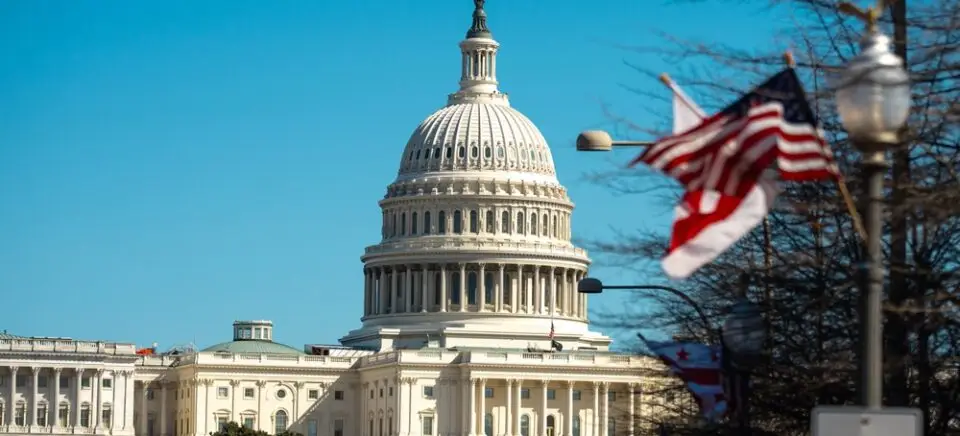
Federal bail bonds work differently from state bail bonds because they involve federal charges and stricter court oversight. In a federal case, bail is meant to guarantee that the defendant will appear in court and not pose a risk to the community while awaiting trial. The process is governed by the Bail Reform Act of 1984, and all decisions are made by a federal magistrate or judge rather than through a typical bondsman system used in state cases.
How Federal Bail Bonds Work
When someone is charged with a federal crime, the court holds a detention hearing to decide if they are eligible for release. Instead of simply posting money, the defendant may need to meet several conditions to secure release. A federal bail bond is essentially a legal agreement between the defendant, the court, and possibly a surety (another person or entity guaranteeing the bond).
- The judge reviews the defendant’s background, flight risk, and potential danger to the community.
- If approved for release, the defendant must agree to specific bond conditions.
- Money, property, or other collateral may be required as security for the bond.
Types of Federal Bonds
Federal courts use several types of bonds depending on the defendant’s circumstances and financial situation.
- Personal Recognizance Bond – The defendant is released without paying money but must promise to appear in court.
- Unsecured Appearance Bond – The defendant signs a bond for a set amount but doesn’t pay unless they fail to appear.
- Secured Bond – Requires cash or property equal to the bond amount as collateral.
- Surety Bond – A third party, such as a family member or professional surety, guarantees payment if the defendant doesn’t appear.
Conditions of Release
Federal bail bonds usually come with strict conditions designed to ensure compliance. Violating these conditions can lead to immediate revocation of release and forfeiture of the bond.
- Restrictions on travel, employment, or contact with certain people.
- Regular check-ins with a pretrial services officer.
- Possible electronic monitoring or curfews.
- No possession of firearms or illegal substances.
What Happens If the Defendant Fails to Appear
If the defendant fails to appear in court or violates release terms, the federal court can issue a warrant for their arrest and forfeit the bond. This means any money or property used as collateral will be seized, and co-signers may be held responsible for repayment.
- Bond forfeiture can result in loss of collateral or liens on property.
- New charges for “failure to appear” may be filed, leading to additional penalties.
- Future release on bond becomes highly unlikely.
Federal bail bonds are agreements that ensure a defendant’s appearance in federal court and compliance with release conditions. They are stricter than state bonds, often requiring collateral, co-signers, and ongoing supervision. Violating the bond terms can result in arrest, loss of money or property, and harsher legal consequences.

How Do I Remove Myself From A Bond?

What Does $10 000 Bail Mean?
Is $20,000 A High Bond?
