How Long Do Misdemeanor Warrants Stay Active?
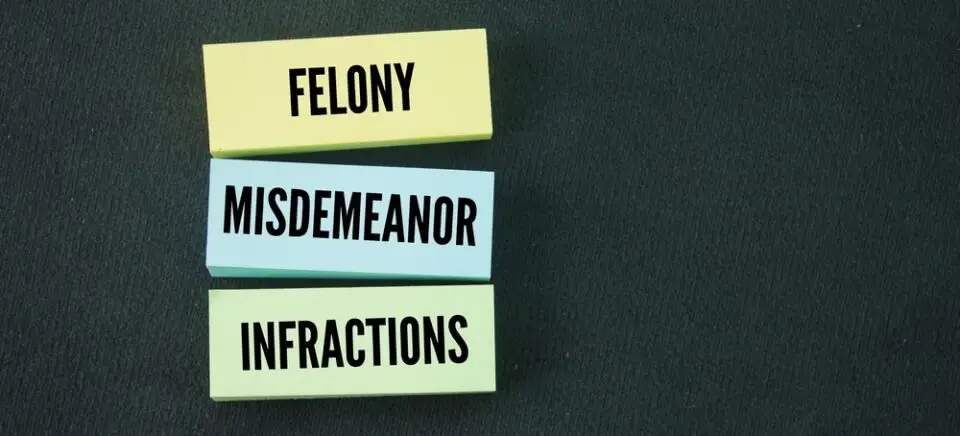
A misdemeanor warrant does not simply expire after a set amount of time. Once issued by a judge, it remains active until the person named in the warrant is arrested, appears in court, or the court recalls the warrant. In other words, misdemeanor warrants stay in effect indefinitely unless officially cleared through legal action. But how they are enforced and prioritized can vary depending on the jurisdiction, the seriousness of the offense, and local law enforcement policies.
What a Misdemeanor Warrant Is
- A misdemeanor warrant is an official court order authorizing law enforcement to arrest a person accused of committing a misdemeanor crime.
- It is typically issued when someone fails to appear in court, violates probation, or ignores a citation or summons.
- Unlike a bench warrant or felony warrant, a misdemeanor warrant usually applies to less severe offenses but still carries serious consequences if ignored.
How Long a Misdemeanor Warrant Stays Active
- Misdemeanor warrants remain active until resolved by arrest, court appearance, or recall by the judge.
- There is no automatic expiration date, meaning the warrant can be enforced months or even years later.
- Courts and police departments keep warrants in their databases until they are executed or cleared, and they can appear in background checks indefinitely.
- Some jurisdictions periodically review older warrants and may choose not to actively pursue minor cases, but the warrant still exists legally.
Factors That Influence Enforcement
- Severity of the Offense – More serious misdemeanor cases, such as DUI or domestic battery, are pursued more aggressively than minor infractions.
- Time Passed – While warrants do not expire, older ones may receive lower priority unless connected to ongoing violations.
- Jurisdictional Limits – Some warrants are only enforceable within the county or state where they were issued, while others can lead to extradition depending on the charge.
Consequences of an Active Misdemeanor Warrant
- Law enforcement can arrest you at any time, including during routine traffic stops or background checks.
- Unresolved warrants can result in additional charges or higher fines.
- They can appear on criminal background checks and affect employment, housing, and professional licensing.
- Failing to address a warrant can make future legal matters more complicated and may lead to harsher sentencing.
How to Clear a Misdemeanor Warrant
- Contact the Court – Reach out to the clerk’s office or your attorney to verify the warrant’s status and obtain instructions on how to resolve it.
- Voluntary Surrender – Turning yourself in voluntarily often leads to more favorable treatment by the court and may avoid additional penalties.
- Hire an Attorney – A lawyer can sometimes file a motion to quash or recall the warrant without requiring you to be arrested first.
- Appear in Court – Attending the scheduled hearing or arranging a new date can resolve the warrant if the underlying issue (such as a missed court appearance) is addressed.
Misdemeanor warrants stay active indefinitely and must be handled directly through the court system. Taking prompt action to clear a warrant rather than waiting for it to go away can prevent arrest, fines, and further legal trouble.
How Much Is Bail for a Felony in Kansas?
On
September 26, 2025

Can You Go On Bail For A Felony?
On
July 5, 2025

What Mistakes Do Cops Make DUI?
On
June 23, 2025