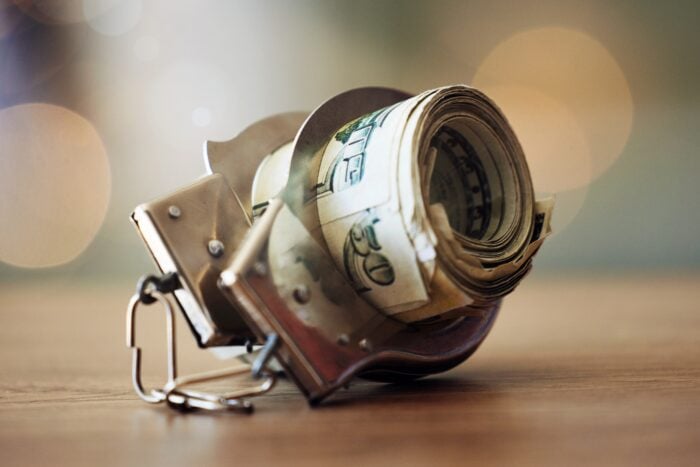
When a court sets bond at $100,000, it means the defendant must provide a financial guarantee to be released from custody before trial. Most people do not pay the full $100,000 themselves. Instead, they work with a licensed bail bondsman who charges a percentage of that total amount to post the bond on their behalf.
Typical Cost with a Bail Bondsman
Bail bondsmen usually charge a fee based on a fixed percentage of the total bond. This is called the premium. The most common rate is,
- 10 percent of the bond amount – This is the industry standard in many states, including Kansas
So, for a $100,000 bond, you would pay approximately $10,000 to the bail bondsman. This fee is a one-time, non-refundable payment. It covers the risk the bondsman takes by guaranteeing your appearance in court.
What If You Pay the Court Directly?
Instead of going through a bondsman, some individuals or families choose to pay the full bond amount to the court. This is known as a cash bond. If the defendant attends all court dates and complies with conditions, the $100,000 is typically refunded after the case ends, minus any court costs or fines.
But if the defendant misses court, the full amount is forfeited. That’s why many people choose a bondsman, they pay less upfront, even though the money is not returned.
Other Factors That Affect Cost
- Risk level – If the defendant has a criminal history or is considered a flight risk, the bondsman might charge more than 10 percent
- Collateral – For high bond amounts like $100,000, the bondsman may require property, vehicles, or other assets to secure the bond
- Payment plans – Some bail bond agencies offer financing, though that can come with extra fees or interest
A $100,000 bond typically costs $10,000 when working with a bail bondsman. This payment is non-refundable and is required before the bond is posted. If you pay the court directly, you must come up with the full $100,000 but you may be eligible for a refund after the case, as long as all conditions are followed. The choice depends on your financial situation and level of risk.
How Much Money Do You Get After Getting Out Of Jail?

Can I Post A Bond For Someone?
How Much Does A $75000 Surety Bond Cost?