A $25,000 bond means the court has set bail at $25,000 to allow the defendant to be released from jail while awaiting trial. This amount is a form of financial guarantee to make sure the person returns for all scheduled court appearances. The actual amount you pay depends if you post the full bail in cash or use a bail bondsman.
How a $25,000 Bond Works
When bail is set at $25,000, there are two main options to get the defendant out of jail,
- Cash bond – You pay the full $25,000 directly to the court. If the defendant appears at all required hearings, the money is refunded at the end of the case (minus possible fines or fees).
- Surety bond – You go through a bail bondsman, who typically charges a non-refundable fee of around 10%. For a $25,000 bond, that would be about $2,500.
With a surety bond, the bondsman posts the full $25,000 on your behalf and takes on the financial risk if the defendant fails to appear.
Other Requirements and Conditions
Posting bond often comes with additional conditions depending on the case. These can include,
- No contact with certain individuals
- Drug or alcohol testing
- Compliance with court check-ins or monitoring
If the defendant violates any conditions or misses a court date, the bond can be revoked, and the full $25,000 becomes due.
What Happens If the Defendant Misses Court?
If the defendant fails to appear, the consequences can include,
- Bond forfeiture – the court keeps the money
- A bench warrant is issued for arrest
- Additional criminal charges may be filed
- If a bondsman was used, they may send a recovery agent to locate the defendant
A $25,000 bond means the court is allowing the defendant to remain free before trial by posting a financial guarantee. You can either pay the full amount directly or work with a bondsman for a fee. As long as the defendant complies with court conditions and shows up to all hearings, the bond serves its purpose without additional cost beyond the initial fee.
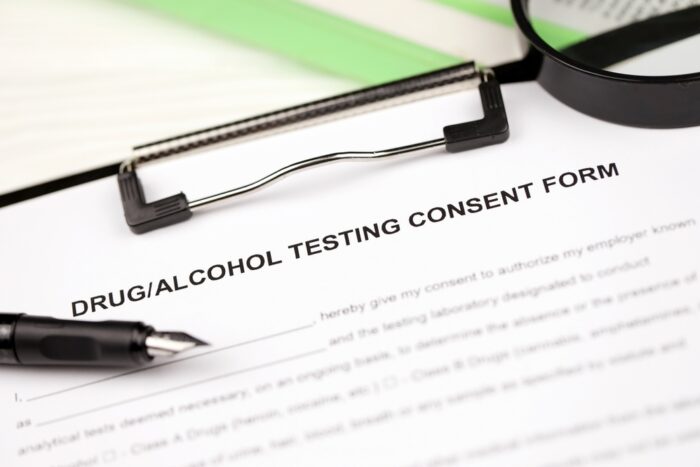
What Happens If You Miss A Drug Test On Bond?

Do You Go Back To Jail After Bonding Out?

What Happens To The Bond If You Don’t Show Up?