What Is A First Time Distribution Charge?

A first-time distribution charge is a criminal offense that involves selling, delivering, or distributing illegal drugs for the first time. Even without prior convictions, Kansas law treats drug distribution as a serious felony. The penalties depend on the drug type, quantity, and intent to sell. This charge focuses on the act of transferring drugs to another person rather than just possessing them.
Understanding Distribution Under Kansas Law
Distribution means intentionally transferring or attempting to transfer a controlled substance to another person. Kansas law does not require an exchange of money. Giving drugs to someone as a gift or sharing them can still count as distribution.
- Distribution – Delivering or selling drugs to another person
- Possession with intent – Holding drugs with the plan to sell or share them
- Delivery – Physically transferring drugs to another individual
Examples Of A First-Time Distribution Charge
Even a single transaction can lead to a felony charge if law enforcement believes drugs were exchanged or intended for exchange.
- Selling a small amount of marijuana or cocaine
- Giving prescription pills to someone without authorization
- Transporting drugs for someone else
- Possessing drugs packaged for resale (like bagged or labeled quantities)
Penalties For First-Time Distribution
Although it is a first offense, Kansas considers drug distribution a felony. Sentencing depends on the substance and quantity under Kansas Statute 21-5705.
- Level 1 drug felony – Large quantities of substances like methamphetamine, heroin, or cocaine (can carry over 10 years in prison)
- Level 2 drug felony – Moderate amounts or distribution near schools or parks
- Level 3 drug felony – Smaller amounts of controlled substances like marijuana or certain prescription drugs
First-time offenders may qualify for reduced sentences, diversion programs, or probation if the case involves smaller amounts and no aggravating factors like weapons or minors.
Aggravating Factors That Increase Penalties
Courts consider some details that can make a first-time distribution charge more severe.
- Distribution near a school zone or public park
- Involvement of minors
- Use of a firearm during the offense
- Prior arrest or criminal history
- Large-scale or organized trafficking activity
Possible Defenses To Distribution Charges
Legal defenses can help reduce or dismiss a first-time distribution charge. The specific strategy depends on how the evidence was gathered and what intent prosecutors must prove.
- Illegal search or seizure by police
- Lack of intent to distribute (possession for personal use)
- No actual transfer or sale occurred
- Entrapment by law enforcement
- Insufficient or unreliable evidence
Legal Options For First-Time Offenders
In Kansas, first-time offenders sometimes qualify for diversion or probation programs. These programs focus on treatment, supervision, and avoiding a permanent felony record. Completing diversion successfully may result in case dismissal and avoid long-term penalties.
- Request a diversion agreement through your attorney
- Attend required counseling or substance abuse treatment
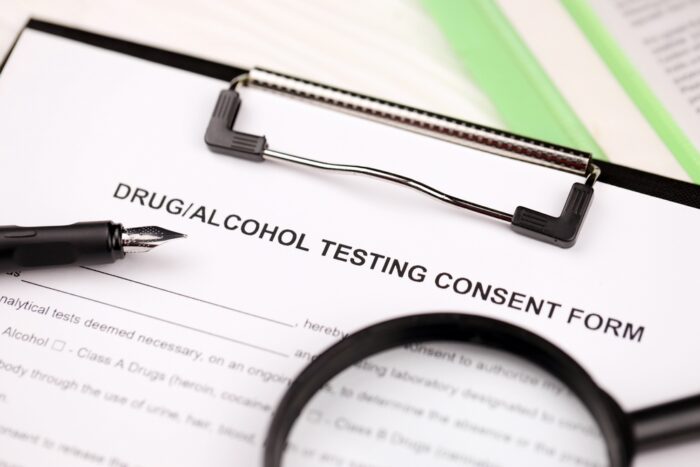
- Comply with random testing and supervision requirements
- Pay all court fees and restitution as ordered
What Is The Punishment For Failing A Drug Test?

Is Xanax Illegal In Kansas?