
What Is The Chimel Rule?
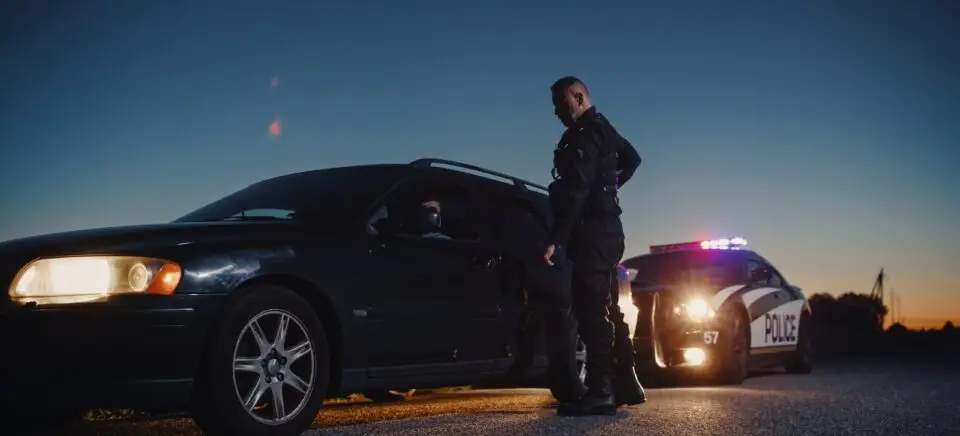
The Chimel Rule is a legal principle that limits the scope of a police search following an arrest. It comes from the 1969 U.S. Supreme Court case Chimel v. California, which established that officers may only search the area within the immediate control of the person being arrested. This means police can search the arrestee and the area within reach, such as nearby tables, drawers, or personal belongings, but not the entire home or property without a search warrant.
Origin Of The Chimel Rule
The rule originated from the case Chimel v. California (1969), where police officers arrested Ted Chimel at his home for burglary. During the arrest, officers conducted a full search of his entire house without a warrant, including drawers and other rooms. The Supreme Court later ruled that this search violated the Fourth Amendment, which protects against unreasonable searches and seizures. The Court decided that while police may search an arrestee for weapons or evidence that could be destroyed, they cannot search beyond the area within the arrestee’s immediate reach without a warrant.
Purpose Of The Chimel Rule
The Chimel Rule balances law enforcement safety with individual privacy rights under the Fourth Amendment. It allows officers to protect themselves and preserve evidence during an arrest while preventing overly broad or invasive searches. The Court recognized that, without limits, warrantless searches during arrests could become a tool for general evidence gathering rather than a safety precaution.
Scope Of A Lawful Search Under Chimel
According to the Chimel Rule, officers can search…
- The person being arrested, including pockets, clothing, or items carried on their person.
- The area within the arrestee’s immediate control, defined as the space from which they might access a weapon or destroy evidence.
- Objects that are in plain view during the lawful arrest are considered if they are clearly connected to the crime or pose a threat to officer safety.
Yet, officers cannot search other rooms, closed containers, or distant areas without obtaining a warrant or having another valid exception to the warrant requirement.
Examples Of How The Chimel Rule Applies
- Permitted search – If someone is arrested in their living room, officers may search their person, nearby furniture, or items within arm’s reach, such as a backpack or a table drawer next to them.
- Not permitted – Officers cannot search the bedroom or basement of the same house without a search warrant or consent, since those areas are outside the arrestee’s immediate control.
Exceptions To The Chimel Rule
While the Chimel Rule restricts searches incident to arrest, there are exceptions where broader searches may be allowed, including…
- Consent searches – If the arrestee or another authorized person voluntarily gives permission, officers may search beyond the immediate area.
- Protective sweeps – Officers can briefly check nearby rooms if they have reasonable suspicion that someone else may pose a danger.
- Automobile exception – If the arrest occurs in or near a vehicle, police may search the passenger compartment for weapons or evidence related to the crime.
Impact On Law Enforcement And Privacy
The Chimel Rule remains one of the most influential decisions defining the limits of search and seizure in the United States. It reinforces the idea that law enforcement must respect privacy and due process while ensuring officer safety. The decision has shaped later rulings, including Arizona v. Gant (2009), which applied similar limitations to vehicle searches following an arrest.
The Chimel Rule, established in Chimel v. California, restricts police searches during an arrest to the person and the area within their immediate control. It prevents officers from conducting broad, warrantless searches and upholds the Fourth Amendment’s protection against unreasonable intrusion. This rule remains a cornerstone of modern search-and-seizure law, ensuring a balance between public safety and individual constitutional rights.

Can You Post Bail On A Warrant?

How Serious Is A Fugitive Warrant?

How Does Federal Bonding Work?
