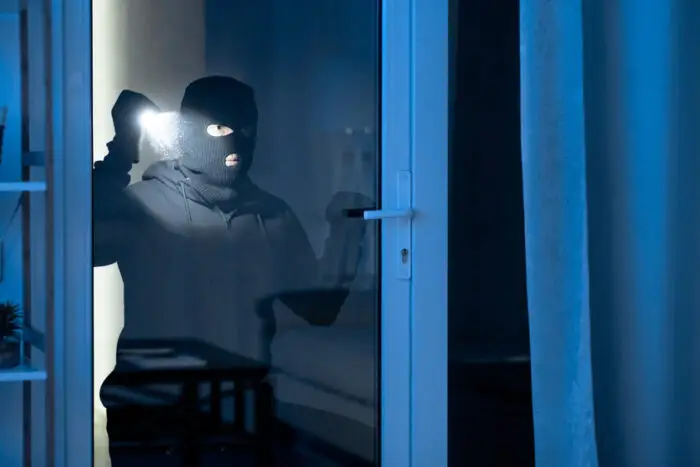
Why Would Someone Break In And Not Take Anything?
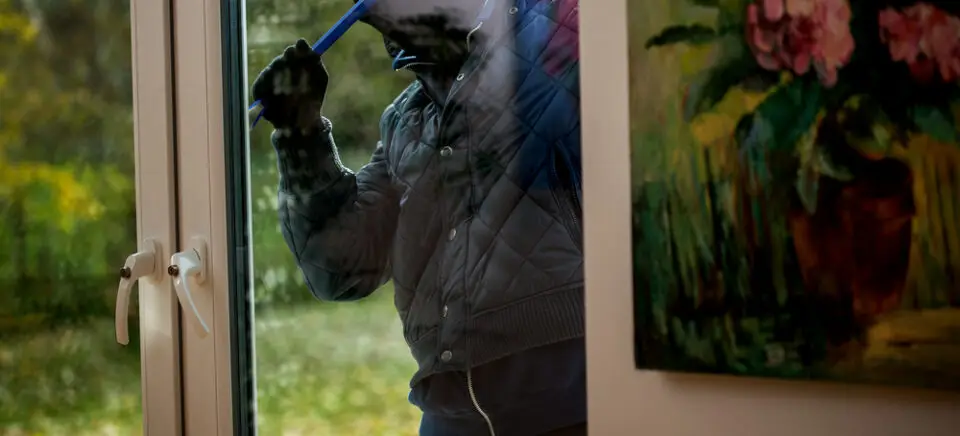
It can be confusing and frightening when someone breaks into a home or property but doesn’t take anything. Not all break-ins are motivated by theft. Sometimes the person has other reasons, emotional, psychological, or personal, for entering a space. In other cases, they may have been startled, interrupted, or targeted the wrong address. Understanding the possible motives behind a non-theft break-in can help you stay safe and decide how to respond.
Common Reasons Someone Breaks In Without Stealing
Every break-in has a motive, even if no items are taken. Knowing these reasons can help you recognize warning signs and protect your home more effectively.
- Intimidation or harassment – Someone might break in to scare, threaten, or send a message rather than steal.
- Revenge or personal conflict – A person with a grudge may break in to cause fear or emotional harm instead of financial loss.
- Mistaken identity – The intruder may have targeted the wrong house or apartment by accident.
- Curiosity or trespassing – Some offenders enter out of curiosity or thrill-seeking without intending to steal.
- Mental illness or confusion – Individuals suffering from mental health issues or under the influence of drugs may not act rationally or have clear motives.
Interrupted Or Startled Intruders
Sometimes intruders enter a property intending to steal but leave quickly before taking anything. Fear of getting caught or hearing unexpected noises often causes them to flee.
- Homeowner returned unexpectedly – The intruder might panic and run once they realize someone is home.
- Alarms or security systems – Loud alarms or flashing lights can scare burglars away before they act.
- Neighbors or witnesses – Seeing someone nearby or noticing cameras may cause them to abandon the plan.
Signs The Break-In Was Not About Theft
There are ways to tell if the break-in may have been motivated by something other than stealing. Examining what was disturbed and how the person entered can provide valuable clues.
- Nothing valuable moved – Electronics, cash, or jewelry left untouched often signal a non-theft motive.
- Targeted areas – If only certain rooms were entered or items were moved, the intruder may have been looking for something specific.
- Vandalism or messages – Property damage or written notes suggest anger, intimidation, or revenge rather than robbery.
How To Respond If It Happens
If your home or property has been broken into and nothing was taken, treat the incident seriously. Even without theft, it’s still a crime, and it can indicate ongoing safety concerns. Contact law enforcement immediately and avoid touching anything that could serve as evidence.
- Call the police right away – Report all details and allow officers to inspect the scene.
- Document evidence – Take photos of damage or unusual markings before cleaning up.
- Check for surveillance footage – Cameras, doorbells, or nearby businesses may have caught the intruder.
- Change locks and reinforce security – Replace broken locks, secure windows, and consider installing an alarm or motion lights.
Psychological And Emotional Motives
Not every break-in is about money. Some intruders act out of emotion, instability, or personal fixation. These motives are less predictable but can be more dangerous in the long term.
- Obsession or stalking – The intruder may be targeting a specific person rather than the property.
- Emotional instability – People struggling with addiction, paranoia, or delusion may enter homes randomly.
- Seeking attention – In rare cases, individuals break in as a cry for help or to be noticed.
Protecting Yourself After A Non-Theft Break-In
Even if nothing was taken, the incident should never be ignored. Strengthen home security and stay alert in the following days to prevent another intrusion.
- Upgrade security systems – Install alarms, smart locks, and exterior cameras for better protection.
- Inform neighbors – Let nearby residents know so they can watch for suspicious activity.
- Consult law enforcement – Ask for extra patrols or safety advice if you suspect you were targeted intentionally.
- Seek legal help – If you believe someone you know is responsible, discuss restraining or protective orders with your attorney.
Is There Such A Thing As A Federal Misdemeanor?

How Much Would A $50,000 Bond Cost?

Can You Bail Out After A Conviction?