

Federal bonds serve two main purposes; one in the criminal justice system and another in government finance. In both cases, a federal bond acts as a guarantee or promise backed by the U.S. government. The meaning depends on the context,…

A $5,000 signature bond means the defendant is released from jail without paying any money up front, but they promise to pay $5,000 if they fail to appear in court. It is also known as a recognizance bond or unsecured…

Immigration officers can come to your house, but they are limited in what they can do without proper authorization. Immigration and Customs Enforcement (ICE) may visit a home to locate someone suspected of violating immigration laws, overstaying a visa, or…

Buying federal bonds is one of the safest ways to invest your money because these bonds are backed by the full faith and credit of the U.S. government. You can purchase federal bonds directly from the U.S. Department of the…
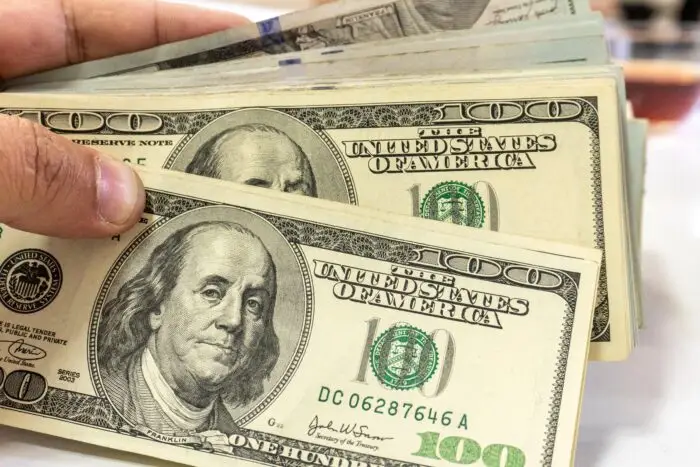
A $50,000 bond means the court is requiring a financial guarantee of that amount for someone to be released from jail before trial. The bond serves as a promise that the defendant will return to court for all required appearances.…
The question of if probation is too lenient for felony offenders sparks strong debate among policymakers, victims, and justice reform advocates. Probation allows individuals convicted of crimes to serve their sentence under supervision in the community rather than in jail…

The idea that a "jail year" equals 9 months is a common belief, but it is not an official rule. In most cases, a one-year jail sentence legally means 12 months. But many inmates serve less time due to credits,…
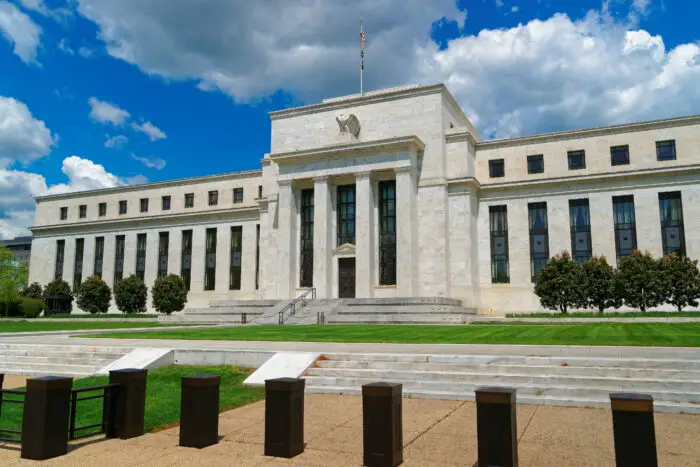
Beating a federal case is challenging, but not impossible. Federal prosecutors are highly experienced and well-resourced, and the government often has strong evidence before filing charges. That’s why it’s necessary to act quickly, understand your rights, and work closely with…

If you face a federal investigation or criminal charges, act quickly and lawfully. Follow the steps that protect your rights and reduce risk. Do not try to hide, destroy, or alter evidence. Those actions create new crimes and worsen your…

Bail bonds do not pay you back. When you use a bail bondsman, the fee you pay is non-refundable because it covers the service of posting bail on the defendant’s behalf. The amount paid to a bail bond company is…