

If you have no bond, you must stay in jail until the court releases you or your case is resolved. Having “no bond” means you are not eligible for release through payment or a bail bondsman. This usually happens in…
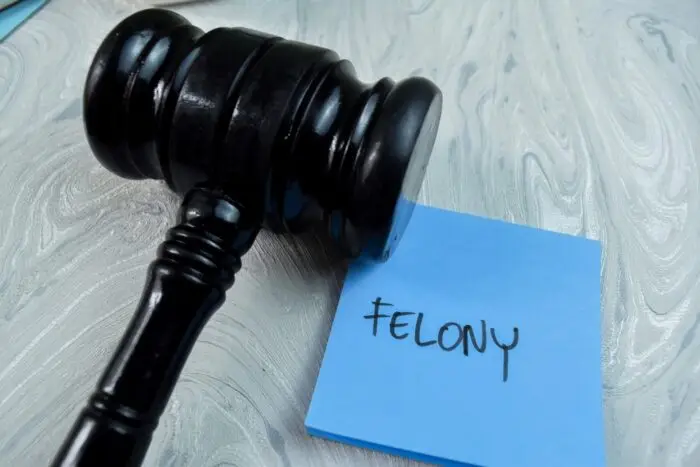
The difference between Felony 1, 2, and 3 lies in how serious the crime is and the punishment that comes with it. These classifications are used by many states, including Kansas, to organize felonies by severity. Felony 1 is the…

The conviction rate for federal crimes in the United States is extremely high, mainly because federal prosecutors handle well-investigated cases with strong evidence before filing charges. According to data from the U.S. Department of Justice, the conviction rate in federal…

Federal bonds pay interest to investors who lend money to the U.S. government. The amount they pay depends on the type of bond, its maturity period, and current market interest rates. These bonds are considered some of the safest investments…

In most criminal cases, a defendant has the right to request bond or bail to secure release before trial. Regardless, a judge can deny bond under certain circumstances where releasing the defendant poses a risk to public safety or court…
The 8th Amendment is a part of the United States Constitution that protects individuals from cruel and unusual punishment, excessive bail, and excessive fines. It was adopted as part of the Bill of Rights in 1791 and is meant to…

If you don’t show up for court after posting bail through a bail bondsman, serious legal and financial consequences follow. The bondsman is responsible for ensuring you appear in court, and if you fail to do so, they must take…

Probation officers find out about violations through several monitoring methods, reports, and direct communication with law enforcement or the court. Their job is to ensure that people on probation follow all court-ordered rules, so they use a mix of supervision,…
In the criminal justice system, not everyone accused of a crime is given the option to post bond. Bond is a way for someone to be released from jail while waiting for trial, but certain circumstances can lead a judge…

When federal authorities begin watching someone, it can be for a very long time, sometimes months or even years. The length of federal surveillance depends on the type of investigation, the suspected crime, and the level of evidence they are…