

Customer service plays a vital role in the bail bonds industry because clients are often in crisis when they reach out for help. They may be scared, confused, or dealing with the legal system for the first time. A bail…
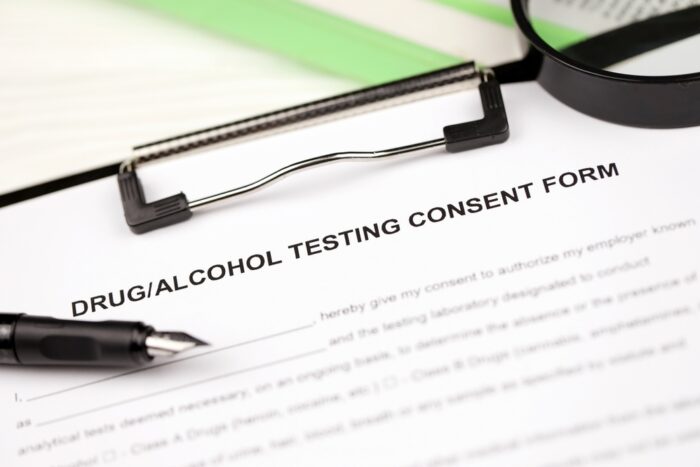
When a defendant is released on bond, one common condition imposed by the court is to submit to regular drug testing. These tests help ensure compliance with the terms of release and confirm that the individual is not using illegal…
When someone is arrested, they are taken into custody and booked at a local jail. In many cases, the court allows the individual to be released while awaiting trial through a process called posting bond. A bond acts as a…

To find out if someone has posted a bond and been released from jail, you can contact the jail, check online inmate records, or ask the court handling the case. In Kansas and most other states, bond information becomes public…

The odds of winning a DUI case depend on the specific facts, the evidence, and the quality of your legal defense. There’s no fixed percentage, but complete dismissals or not-guilty verdicts are relatively uncommon. Many DUI cases end in plea…

When a person has an active warrant, their chances of being released from jail depend on the type of warrant, the seriousness of the charges, and the policies of the arresting jurisdiction. A warrant is a legal order issued by…

In Kansas criminal law, K.S.A. 21-6805(f)(1), commonly known as Special Rule 26, applies to repeat felony drug offenders. It requires judges to impose prison time instead of probation when a defendant has two or more prior felony convictions for certain…

If you turn yourself in for a misdemeanor warrant in Kansas, it usually works in your favor and can help you avoid harsher penalties. When you voluntarily surrender, law enforcement processes your arrest, which may include fingerprinting, booking, and posting…

Probation can be revoked when a person commits serious or repeated violations of the court’s conditions. Common violations that result in probation revocation include committing a new crime, failing drug or alcohol tests, missing meetings with a probation officer, or…

Drug diversion in Kansas is not a criminal sentence but an alternative program that allows certain first-time or low-level offenders to avoid a felony conviction. Instead of serving jail time, participants complete court-ordered requirements such as counseling, treatment, and community…