

If you can drive after a DUI arrest before your court date depends on several factors, including your state’s laws, the results of your chemical test, and whether your driver’s license was immediately suspended. In most cases, you may be…

In Kansas, a Level 3 felony refers to a classification under the Kansas Sentencing Guidelines for non-drug offenses. Kansas uses a grid system that ranks felonies by severity, with Level 1 being the most serious and Level 10 the least.…

To be bonded, you must meet certain legal and financial requirements that prove you can comply with court orders and repay obligations. In criminal cases, “being bonded” means qualifying for bail or working with a bail bondsman to secure release…

When bail is set at $100,000, most people pay about 10 percent of that amount to a bail bondsman to secure release from jail. This means the upfront cost is usually $10,000, though the exact figure may vary based on the…
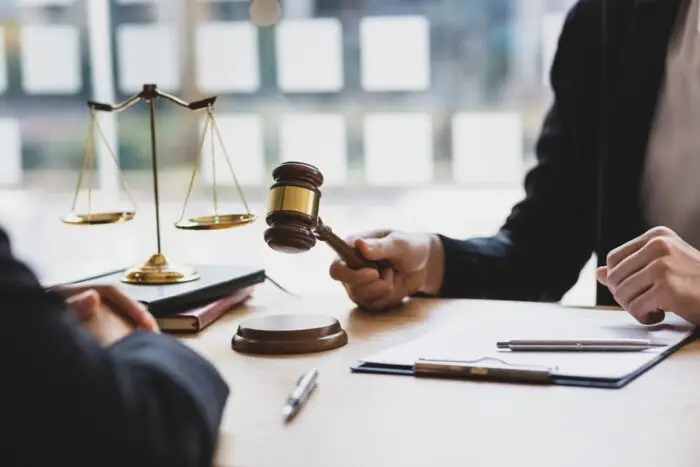
Yes, you can get out of a bond, but the process depends on your role and the reason for withdrawal. If you are the defendant, you can request that your bond be revoked or replaced under certain conditions. If you…

Running away from a bounty hunter is not a good idea and can lead to serious legal consequences. While it may not be classified as a new criminal charge in all cases, fleeing from a bounty hunter often results in…
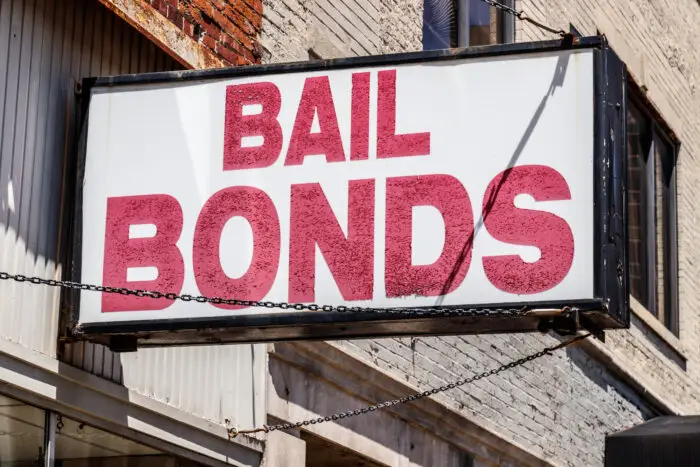
When someone is arrested, the terms “bail” and “bond” often come up during the release process. While both are used to secure a person's release from jail before trial, they are not the same. Choosing between bail and bond depends…
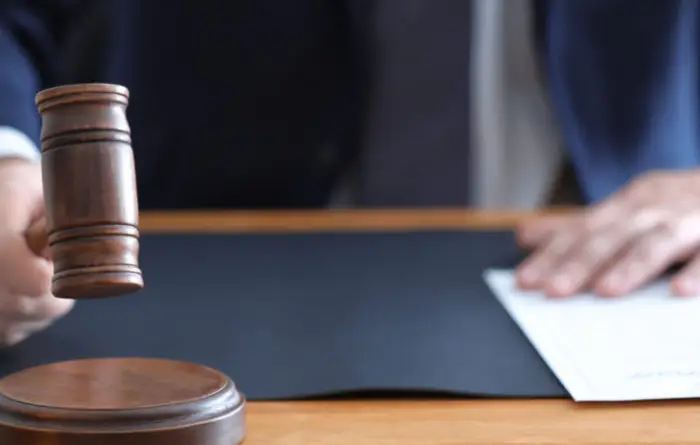
Bail in non-bailable offenses is not granted automatically. Instead, it is up to the discretion of the judge. While the court may choose to release someone on bail even in serious cases, there are specific circumstances where bail should be…

If you don’t bond out of jail, you remain in custody until your case is resolved, dismissed, or the judge decides to release you. In Kansas and most states, that means you stay in jail while waiting for your trial…

After an indictment is issued, the criminal case formally begins in the trial court. The indictment means a grand jury found probable cause to charge someone with a crime. It does not mean guilt, but it starts a series of…