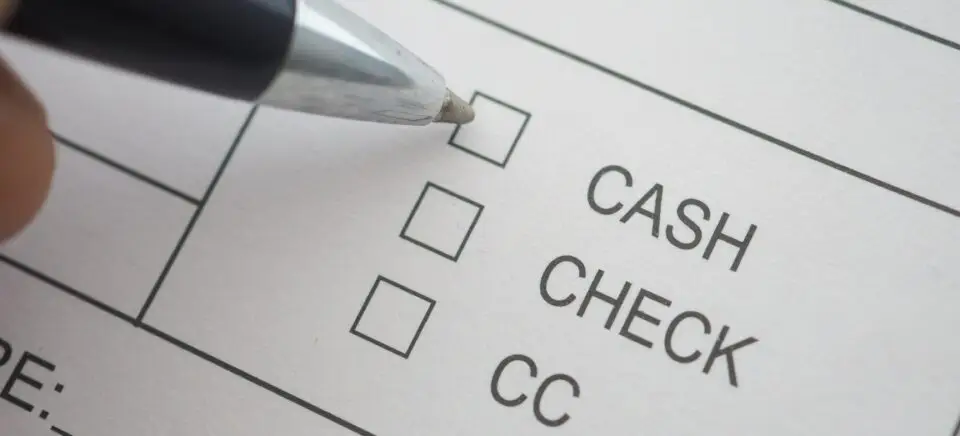
No, bail bonds do not always have to be paid in cash. Courts accept several types of payments and arrangements depending on the jurisdiction, the type of bond, and the resources available to the defendant or their family. While cash is one common option, other forms of payment or collateral are often allowed to secure a person’s release from jail before trial.
Common ways to post bail
Here are the most common methods used to satisfy a bail bond,
- Cash payment – You can pay the full bail amount directly to the court in cash, cashier’s check, or money order. This is refundable if the defendant meets all court obligations.
- Surety bond – You pay a bail bondsman a nonrefundable fee (usually 10%) and the bondsman posts the full bail amount for you.
- Property bond – You offer real estate or other valuable property as collateral. If the defendant skips court, the court can seize the property.
- Credit card or payment plan – Some courts and bail bond companies allow credit card payments or offer installment plans for bond fees.
Cash vs. other options
Paying in cash can be the fastest way to get someone released, but not everyone has access to large sums of money. That’s why surety and property bonds are common alternatives. With a surety bond, you don’t need to come up with the full amount, but you won’t get the fee back.
Court discretion matters
In some cases, the judge may require cash only especially if the defendant is considered a flight risk or has a history of missing court. This is called a “cash-only bond,” and in that situation, no surety or property options are allowed.
Bail bonds do not have to be paid in cash unless the court specifically orders it. Most people use bail bond agents, property, or payment plans to secure release. Always check the terms set by the court to know what types of payment are accepted in your specific case.

How Much Is A Fifty Thousand Dollar Bail Bond?
Why Would A Judge Order No Bond?

How Much Do You Pay For 500,000 Bail?