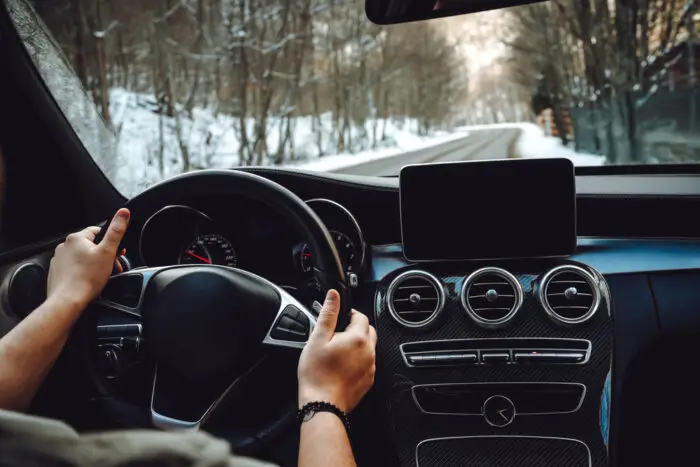
The “W” in DWI stands for “While”. The full term means Driving While Intoxicated. It refers to the criminal offense of operating a motor vehicle while under the influence of alcohol, drugs, or any substance that impairs a person’s ability to drive safely. The exact meaning and use of DWI can vary slightly by state, but it always involves driving with a blood alcohol concentration (BAC) over the legal limit or showing signs of impairment.
Difference Between DWI and DUI
Although DWI (Driving While Intoxicated) and DUI (Driving Under the Influence) are often used interchangeably, some states distinguish between them.
- DWI typically refers to alcohol-related impairment.
- DUI may include impairment by drugs, either legal, illegal, or prescription.
In Kansas, for example, the term DUI is used in official law, meaning “driving under the influence.”But in other states like Texas or Missouri, DWI is the preferred term for the same type of offense.
Legal Definition
DWI laws make it illegal to operate a vehicle with a BAC at or above 0.08% for adults, 0.04% for commercial drivers, and 0.02% for drivers under 21. Even if a driver’s BAC is below the limit, they can still be charged if their driving ability is impaired by drugs or alcohol.
Penalties for DWI
Penalties vary by state and prior offenses but commonly include,
- Jail time or probation
- Driver’s license suspension
- Fines and court costs
- Mandatory alcohol or drug education programs
- Ignition interlock device installation
Purpose of DWI Laws
The purpose of DWI laws is to protect public safety by deterring people from driving while impaired. They aim to reduce accidents, injuries, and fatalities caused by impaired driving. Law enforcement agencies use breath, blood, or field sobriety tests to determine impairment and enforce these laws.
The “W” in DWI stands for “While”, meaning “Driving While Intoxicated.” It describes the act of operating a vehicle while under the influence of alcohol or drugs, carrying serious legal and safety consequences.

What Mistakes Do Cops Make DUI?
What Is The Best Plea For A DUI?
What Is The Second Offense For A DUI In Kansas?