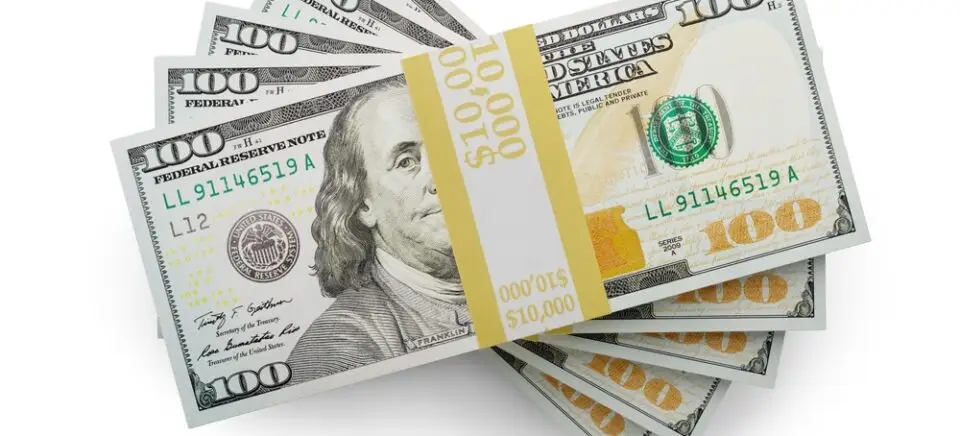
No, a bail bondsman cannot help with a cash-only bond. A cash-only bond means the court requires the full bail amount to be paid directly in cash to secure release; no surety bonds, property bonds, or payment through a bondsman are allowed. This type of bond is used when the judge wants to ensure that the defendant or someone on their behalf deposits real money with the court.
Why Courts Use Cash-Only Bonds
Judges set cash-only bonds when they believe the defendant may be a flight risk, has a history of missing court dates, or has outstanding warrants. Requiring cash ensures the court holds a financial guarantee that cannot be replaced by a bondsman’s promise or collateral.
How a Cash-Only Bond Works
To get out of jail, the full bond amount must be paid in cash, cashier’s check, or money order directly to the jail or court. For example, if the bond is 5,000 dollars, that entire amount must be paid before release. The money is refunded after the case ends, as long as all court appearances are made and conditions are followed.
What You Can Do Instead
- If you cannot afford the full amount, you can ask your attorney to request a bond modification hearing, where the judge may agree to change it to a surety bond that allows a bondsman’s involvement.
- Family or friends can pay the cash bond on your behalf, and the money will be returned to them after the case concludes.
- Some counties accept partial payments or bond reductions under special circumstances, but this is up to the court’s discretion.
Why Bondsmen Can’t Assist
Bail bondsmen post surety bonds, not cash. Since a cash-only bond must be paid directly to the court in full, a bondsman has no role in guaranteeing the bond or handling the money. But a bondsman can help explain your options or assist your attorney in requesting a change to a standard bond type.
A bail bondsman cannot help with a cash-only bond because the court requires full payment in cash before release. To change it, your attorney can request a hearing to convert it to a surety bond or lower the amount. Otherwise, the full cash amount must be paid directly to the court.

Why Do You Only Have To Pay 10% Of Bail?

Is There Bail For Federal Crimes?
How Does Bail Work In Kansas?