

If someone does not make a bond, they must remain in jail until their case is resolved, dismissed, or the judge decides to change the bail conditions. Bond, also known as bail, is meant to ensure that a defendant returns…

Yes, police can refuse bail, but only in certain situations. The ability to grant or deny bail depends on the type of offense and the legal authority involved. For bailable offenses, police are required to offer bail once the accused…

A PR bond, also known as a personal recognizance bond, allows a defendant to be released from jail without paying money up front. Instead of cash or collateral, the person promises to return to court and follow all conditions of…

Yes, there is such a thing as a federal bond. A federal bond is a type of bail bond used when a person is charged with violating federal law rather than state or local law. These cases are handled in…

When you cosign a bail bond, you agree to take financial responsibility for the bond amount and ensure that the defendant appears in court. If you fail to pay what you owe to the bail bondsman or if the defendant…

If someone has no bond, it means the judge decided they must stay in jail until their case is resolved. This situation is sometimes called being held “without bond” or “no bail.” In Kansas and other states, this usually happens…
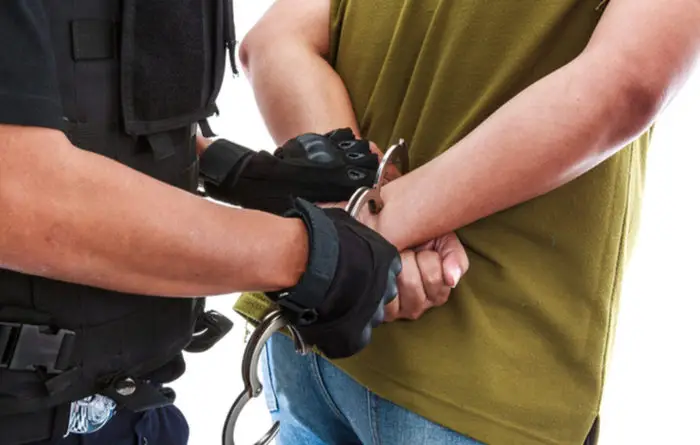
Breaking bail conditions can lead to serious legal consequences. When a court grants bail, it often includes specific terms that the accused must follow while awaiting trial. These conditions are designed to ensure public safety, protect the legal process, and…
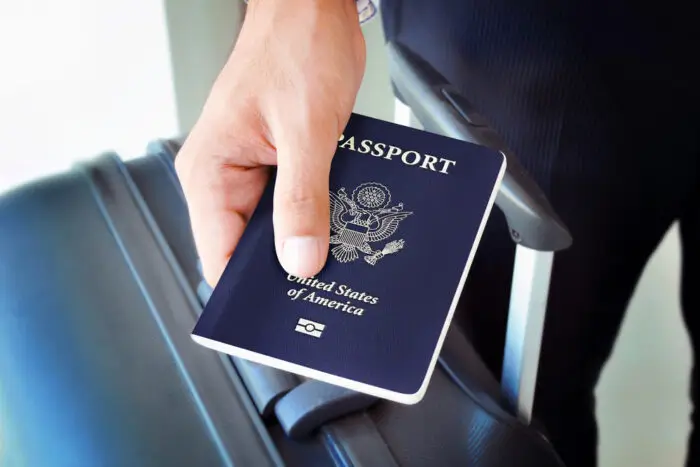
In most cases, you cannot get a passport while out on bond unless the court or your bondsman grants permission. Being out on bond means you’re awaiting trial or sentencing, and travel restrictions are usually part of your release conditions.…

Someone may be held without a bond when the court decides that releasing them before trial would be unsafe or inappropriate. Judges use this option for serious crimes, repeated offenses, or situations where a defendant is likely to flee or…

Ten percent of a $150,000 bail is $15,000. This is the standard fee charged by a bail bondsman to post bail on a defendant’s behalf. It is known as the bond premium and is typically non-refundable, regardless of how the…