
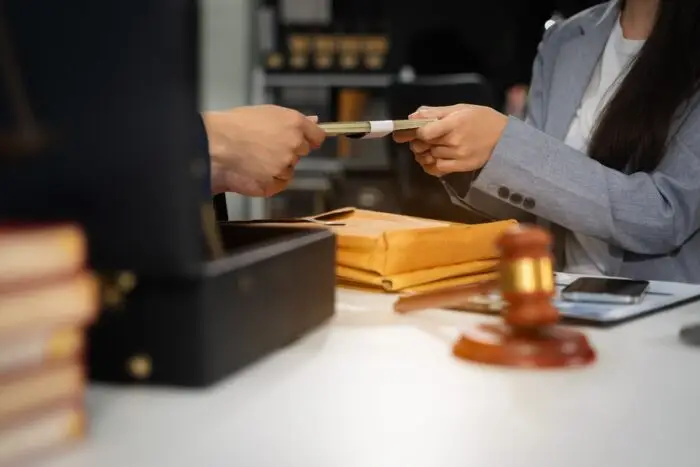
The rules for cashing a bond depend on the type of bond you have, such as a savings bond, bail bond refund, or other government-issued bond. In most cases, cashing a bond means redeeming it for its current value after…
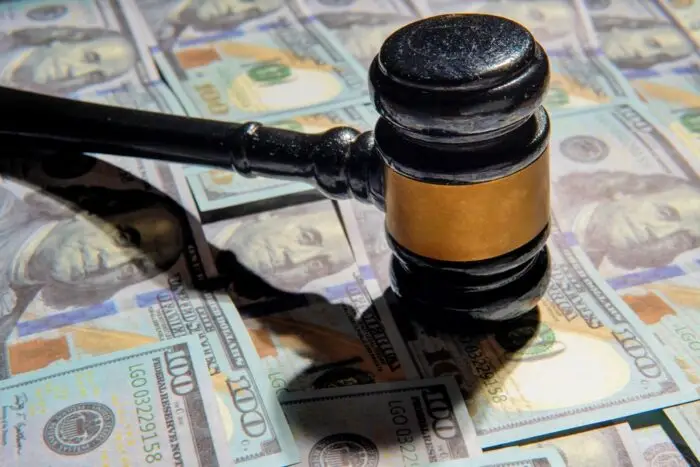
If you’ve never dealt with the criminal justice system before, the concept of bond can be confusing. Bond, also known as bail, is a way for someone who has been arrested to be released from jail while waiting for their…

The amount you pay for a $1,000 bond depends on how it is posted and the type of bond used. In Kansas, like in most states, you can post bail in cash directly with the court or go through a…
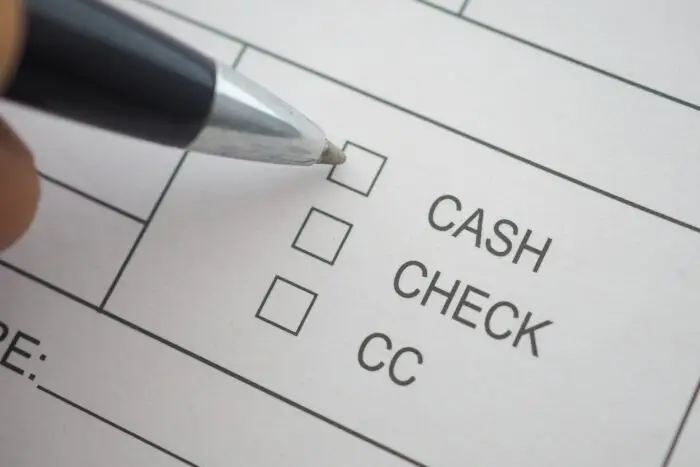
No, bail bonds do not always have to be paid in cash. Courts accept several types of payments and arrangements depending on the jurisdiction, the type of bond, and the resources available to the defendant or their family. While cash…

The amount of cash required for a $10,000 bond depends on the type of bond and the court’s terms. In most cases, you do not need to pay the full $10,000 unless the judge orders a cash-only bond. If you…

A $50,000 cash bond means that the defendant must pay the full $50,000 amount directly to the court or jail to be released from custody before trial. Unlike a surety bond, which involves a bail bondsman, a cash bond requires…
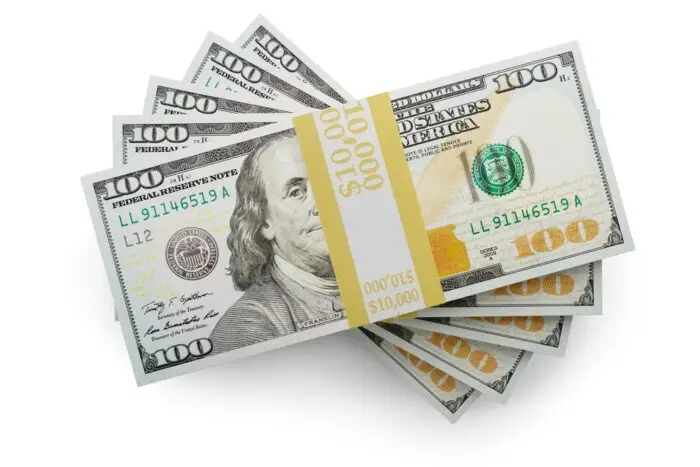
No, a bail bondsman cannot help with a cash-only bond. A cash-only bond means the court requires the full bail amount to be paid directly in cash to secure release; no surety bonds, property bonds, or payment through a bondsman…

When you are released from jail, you may receive some money back, but it depends on how you paid for your release and what funds you had while in custody. You do not automatically receive payment for being jailed, but…
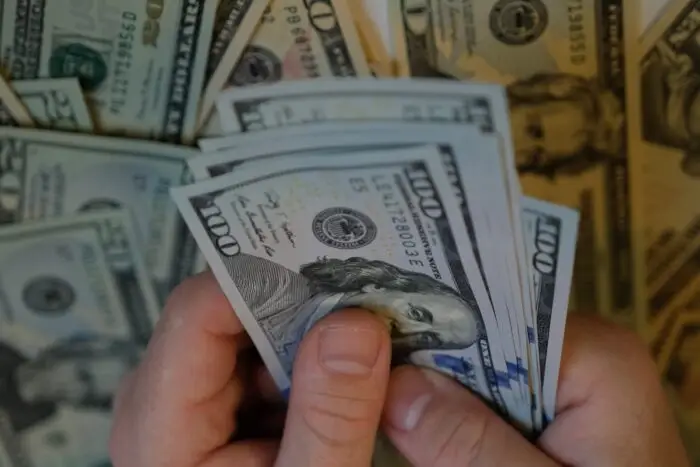
Cashing a $1,000 bond depends on the type of bond you have. The most common types are U.S. savings bonds, bail bonds, or corporate bonds. Each type has a different process. If you’re holding a U.S. savings bond, such as…
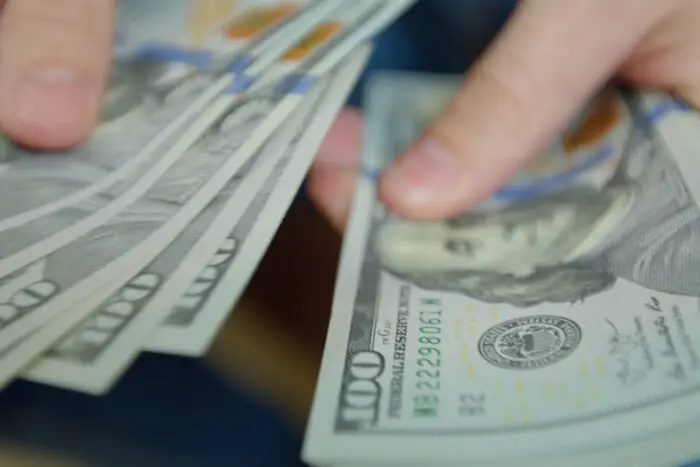
If a bond is set at $1,000, the amount you actually pay depends on how you choose to post it. You can either pay the full amount directly to the court or use a bail bondsman, who normally charges 10%…