
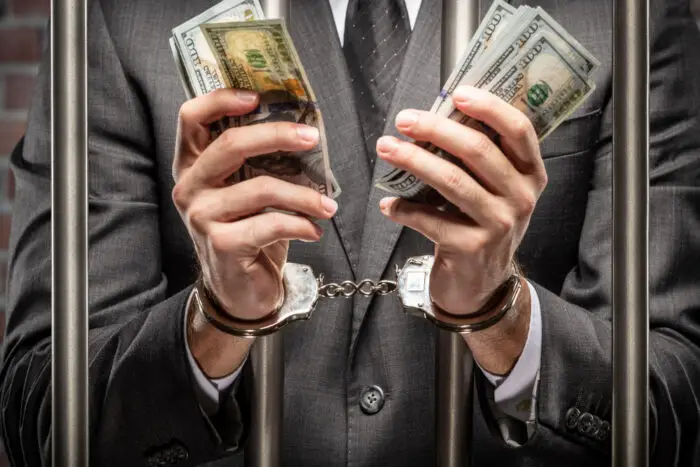
In case a jail bond gets paid back, it depends on how it was paid and the outcome of the case. If you paid the full cash bail directly to the court, the money is refunded after the case concludes,…

The value of a 1,000 dollar bond today depends on some factors, such as its type, interest rate, issue date, and current market conditions. Some bonds, like U.S. savings bonds, grow in value over time until they mature. Others, like…
A $10,000 bail bond is a financial guarantee to the court that a defendant will appear for all scheduled court proceedings. When bail is set at $10,000, it means the defendant must post that amount, or an acceptable alternative, to…

A $50,000 surety bond is a financial guarantee that ensures a person or business fulfills their legal obligations, such as completing a contract, complying with regulations, or appearing in court. The bond amount represents the total liability covered by the…

Immigration bonds do not earn interest. When someone posts an immigration bond with U.S. Immigration and Customs Enforcement (ICE), the money acts as a security deposit guaranteeing that the released person will attend all required immigration hearings. If the person…
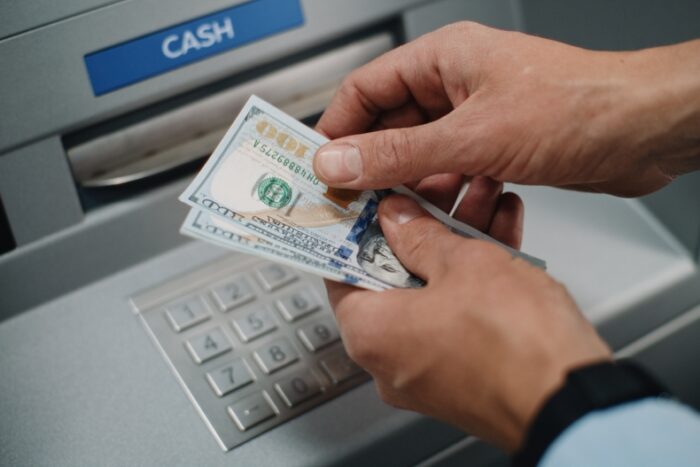
When someone is arrested and bail is set, release only happens after the bond is paid or guaranteed. While there is no legal deadline for paying bail, it must be paid before the jail will release the person in custody.…

Kansas Rule 3.7, titled “Lawyer as Witness,” is part of the Kansas Rules of Professional Conduct and governs situations where an attorney may also serve as a witness in the same trial. The primary purpose of this rule is to…

Coming up with money for a bail bond can be stressful, especially when time is critical. Fortunately, there are multiple ways to secure funds or resources to help someone get out of jail. A bail bond typically requires a percentage…
A $15,000 cash bond means the defendant must pay the full amount, $15,000, in cash to be released from jail before trial. This type of bond does not allow the use of a bail bondsman or property as a substitute.…

A $100,000 surety bond does not require you to pay the full amount. Instead, you pay a premium, a small percentage of the bond’s value, that acts as your fee for obtaining the bond. The surety company guarantees your compliance…