

A $10,000 bail is a moderate amount, not the lowest, but not unusually high either. It typically reflects a charge that is serious enough to require financial assurance but not so severe as to indicate a violent or major felony.…

When a court sets bond at $100,000, it means the defendant must provide a financial guarantee to be released from custody before trial. Most people do not pay the full $100,000 themselves. Instead, they work with a licensed bail bondsman…

Yes, you can make payments on a bond in many cases, especially when working with a bail bondsman. Most bail bond companies offer payment plans to help defendants and their families afford the bond premium, which is usually around 10%…
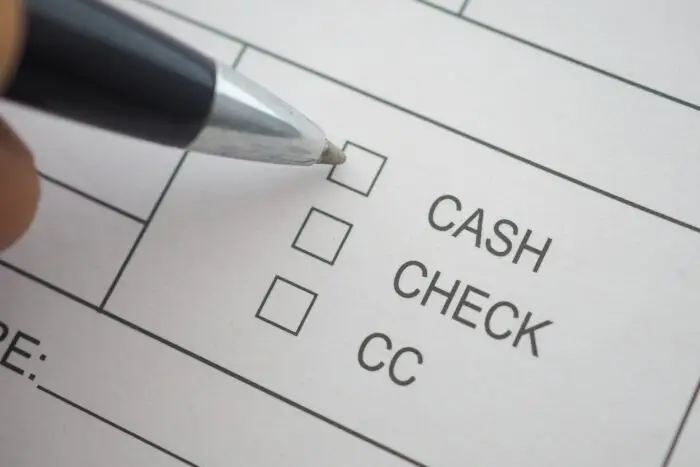
No, bail bonds do not always have to be paid in cash. Courts accept several types of payments and arrangements depending on the jurisdiction, the type of bond, and the resources available to the defendant or their family. While cash…

Bail bond money is refundable but it depends on how the bail was paid and the outcome of the case. If the full bail amount was paid directly to the court as a cash bond, it is usually refundable once…

A $1,000 bond means the court has set the bail amount at $1,000 for someone who has been arrested. To be released from jail before trial, the person (or someone on their behalf) must post that amount with the court…

A $0.00 bond means that no money is required for the defendant to be released from custody. Instead of paying bail, the person is released on their own recognizance, often called an O.R. release or personal recognizance bond. This type…

The average bond payout depends on the type of bond and the bail amount set by the court. In the context of criminal bail bonds, the “payout” usually refers to the nonrefundable fee paid to a bail bondsman to secure…
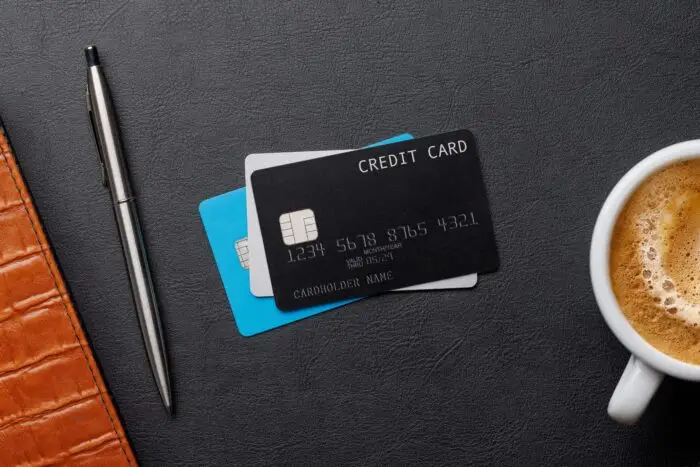
The term “bail Visa” typically refers to using a Visa credit or debit card to pay for bail. It is not a special type of bail, but rather a method of payment. The cost of bail does not change based…

No, bonds do not need to be paid back in the traditional sense unless the person released on bond violates the terms of their release. When you use a bail bond through a bondsman, you pay a non-refundable fee (usually…