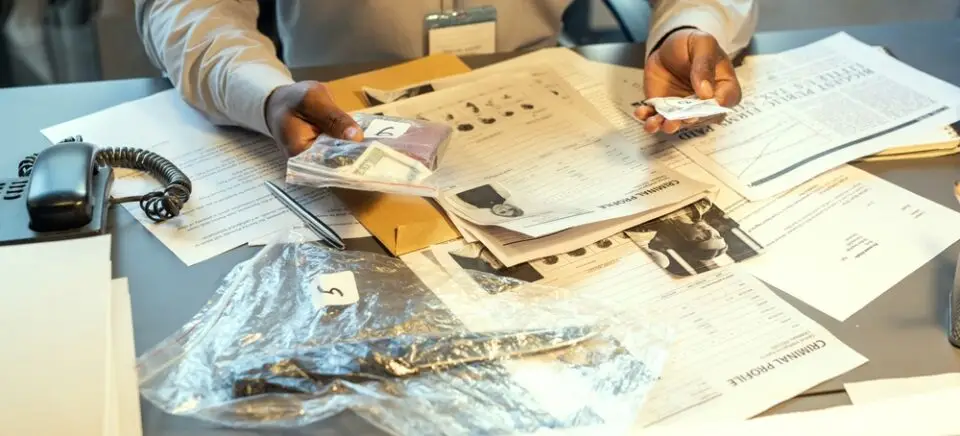
The amount of evidence required to charge someone with a crime depends on the legal standard used at different stages of the criminal justice process. Law enforcement, prosecutors, and judges each apply specific thresholds to determine whether a person can be formally accused and whether the case should proceed to trial. The standard for filing charges is not the same as the standard for conviction. While proof beyond a reasonable doubt is necessary for a conviction, a much lower level of evidence is sufficient to bring charges initially.
The Legal Standard for Charging
- Probable Cause is the main standard used to charge someone with a crime in the United States. It means that there are reasonable grounds to believe that the person committed the offense. This standard applies when police seek arrest warrants or when prosecutors file criminal complaints.
- Probable cause does not require complete proof or certainty. It only requires enough evidence to make a reasonable person believe that a crime occurred and that the accused was involved.
- This evidence can include witness statements, physical evidence, surveillance footage, or the suspect’s own admissions.
How Probable Cause Is Determined
- When police gather evidence, they present it to a judge or magistrate who decides if probable cause exists to issue an arrest warrant.
- In many misdemeanor cases, police can file charges directly if they witness the offense or have sufficient corroborating evidence.
- For felonies, prosecutors often present the evidence to a grand jury or judge for review before formal charges are approved.
Grand Jury & Preliminary Hearings
- In felony cases, a grand jury or preliminary hearing is used to confirm that probable cause exists.
- The grand jury reviews evidence presented by the prosecutor and issues an indictment if it finds probable cause.
- A preliminary hearing serves a similar function in front of a judge rather than a jury. The judge decides whether the case should proceed to trial.
Difference Between Charging & Conviction
- Charging someone only requires probable cause, while convicting them at trial requires proof beyond a reasonable doubt.
- This means someone can be charged based on preliminary or circumstantial evidence, but the prosecution must later present much stronger evidence to secure a conviction.
- Insufficient evidence discovered after charging can lead to dismissal or reduction of charges before trial.
Practical Examples
- If police find stolen property in someone’s possession shortly after a theft, that may establish probable cause for a theft charge.
- If a witness identifies a suspect in a photo lineup, that can also create probable cause for an arrest.
- However, if later investigation reveals that the suspect had a valid reason for possessing the property, the charges might be dropped before trial.
Charging someone with a crime requires only probable cause that the person committed the offense. This is a lower standard than proof needed for conviction and serves to start the legal process. Once charges are filed, the prosecution must continue building evidence to meet the higher burden of proof at trial.

What Makes A Case Go Federal?
Top Reason Probation Gets Revoked

Do Warrants Show Up On Criminal Background Checks?