What Does $5000 Cash Bond Mean?
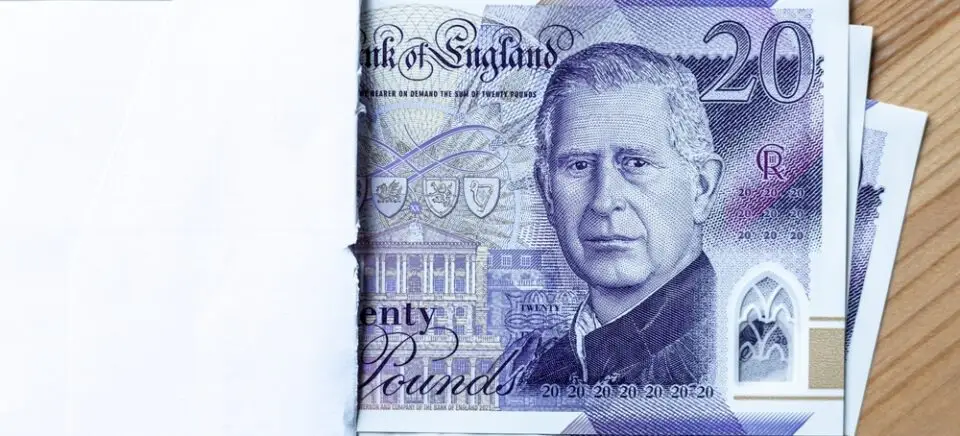
A $5,000 cash bond means the defendant must pay the full $5,000 amount in cash to be released from jail before trial. Unlike a surety bond, where you can use a bail bondsman and pay a percentage, a cash bond requires the total amount to be paid directly to the court or jail. This type of bond is often used when the judge wants a stronger guarantee that the defendant will appear in court.
How a $5,000 Cash Bond Works
When bail is set as a cash bond, you must pay the entire $5,000 up front. No partial payments or bail bond agents are allowed.
- Payment is made directly to the court – Usually by the defendant, family, or friends
- Money is held until the case concludes – It serves as a guarantee that the defendant will return for all court hearings
- Money is refundable – If the defendant complies with all conditions and appears in court, the $5,000 is returned (minus any court fees or fines)
Why Judges Require Cash Bonds
Judges often choose cash bonds when they believe there’s a higher risk of the defendant fleeing or committing another crime. Common reasons include…
- Past failures to appear in court
- Seriousness of the charge
- No ties to the community
- History of bond violations
The cash requirement is meant to make it harder for the defendant to walk away from the case.
What Happens If the Defendant Misses Court?
- The entire $5,000 is forfeited – The court keeps the money
- A bench warrant is issued – The defendant can be arrested again
- New charges may be filed – Such as failure to appear
This makes cash bonds high-risk if the defendant is not committed to following through with the court process.
A $5,000 cash bond requires full payment up front to secure the defendant’s release from jail. That money is held as a guarantee and returned if all court dates and bond conditions are met. If the defendant fails to appear, the court keeps the full amount. Cash bonds are used when the court wants a stronger assurance of compliance, making them more financially demanding but potentially refundable in the end.

How Do I Know If Someone Posted A Bond?

How Much Would A $10,000 Bond Cost?

Why Would Someone Be Held Without A Bond?