When a judge gives you a bond, it means the court is allowing you to be released from jail while waiting for your case to go to trial, as long as you meet certain conditions. The bond is a financial guarantee that you will appear for all court hearings and follow any rules set by the judge. If you or someone else pays the bond, you can stay out of jail until your case is resolved.
Purpose of a Bond
The main purpose of a bond is to ensure that you appear in court. It is not a punishment but a form of security. The judge sets the amount based on your charges, criminal history, flight risk, and ties to the community. If you show up for all hearings, the bond money is returned once the case ends, even if you are found guilty.
Types of Bonds
- Cash bond – You or someone on your behalf pays the full amount in cash to the court for release.
- Surety bond – A bail bondsman pays the court in exchange for a nonrefundable fee, usually 10 percent of the bond amount.
- Property bond – Real estate or assets are used as collateral to secure release.
- Personal recognizance bond (PR bond) – The judge releases you based on your promise to return, with no money required upfront.
Conditions of Release
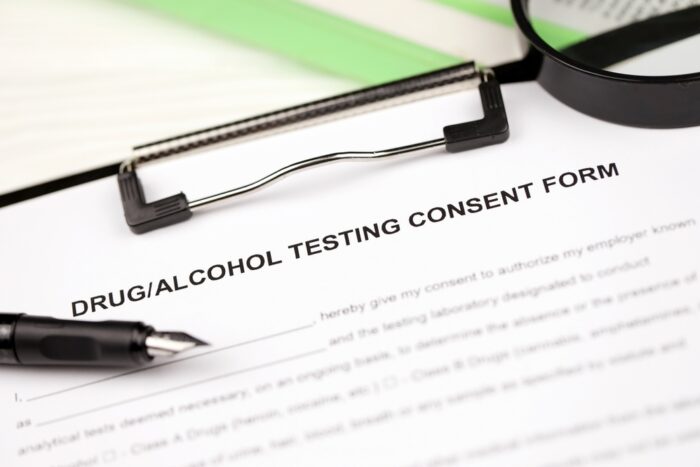
In addition to paying the bond, you must follow certain conditions while out of jail. These may include avoiding contact with victims, abstaining from alcohol or drugs, staying in the area, or checking in with a pretrial officer. Violating any of these conditions can result in your bond being revoked and you being taken back into custody.
What Happens If You Don’t Appear
If you fail to appear in court, the judge issues a warrant for your arrest and forfeits the bond. This means you lose any money or property posted for your release, and new charges for failure to appear may be added to your case.
When a judge gives you a bond, it means you can be released from jail before trial under certain financial and legal conditions. The bond guarantees that you will return to court and follow all release rules. Failing to meet those conditions can result in arrest and loss of the bond.

What Is A Patriot Bond?

How Do I Remove Myself From A Bond?
What Happens If You Miss A Drug Test On Bond?