What Drug Causes The Most Crime?
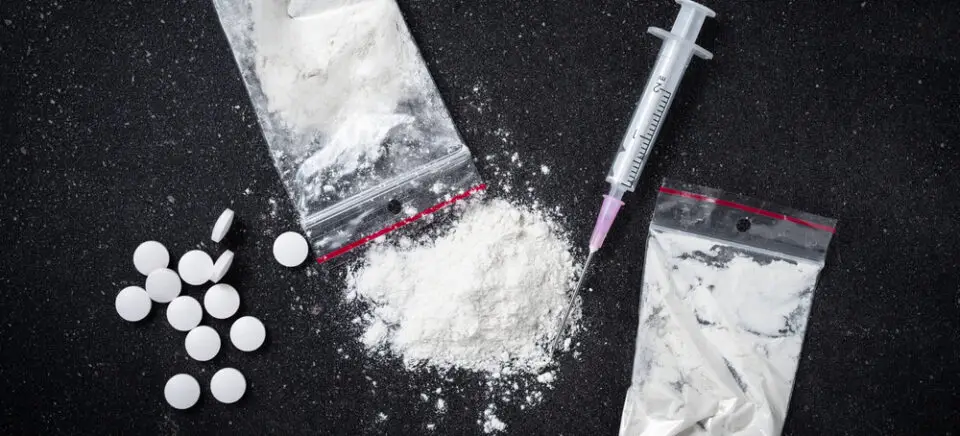
No single drug alone causes crime. Drugs interact with social, economic, and market forces that drive offending. Certain substances are more commonly linked to specific types of crime because of their effects, the costs of addiction, and how they are sold. Understanding those links helps shape prevention, treatment, and enforcement responses.
Alcohol – the largest single contributor
Alcohol is tied to a very large share of violent crime. Its intoxicating effects lower inhibitions and increase aggressive behavior. Alcohol is also involved in many assaults, domestic violence incidents, and public order offenses. Because it is legal and widely used, the total number of alcohol-related crimes often exceeds crimes tied to any illegal drug.
Stimulants – violence and supply chain harm
Stimulant drugs such as methamphetamine and cocaine are linked to both violent and property crimes. High levels of stimulant use can increase paranoia, impulsivity, and aggression. The illegal markets for stimulants also generate violence. Turf disputes, thefts to support costly habits, and violent enforcement of distribution networks are common problems around stimulant markets.
Opioids – property crime and economically driven offenses
Opioid addiction often leads to property crime. Because opioids can cause severe physical dependence, some users commit theft, burglary, or fraud to buy drugs. Overdose deaths and treatment gaps create additional social harms. Opioid markets tend to produce fewer street fights than stimulant markets, but the economic strain on communities is significant.
Synthetic and dissociative drugs – unpredictable behavior
Some synthetic substances and dissociatives like PCP, synthetic cannabinoids, or novel psychoactive drugs can cause erratic or violent behavior in a minority of users. These drugs are unpredictable in potency and effects. When users become acutely psychotic or disoriented, incidents of assault or dangerous public behavior can follow.
Why the link is complex – supply, demand, and social context
Drug-related crime arises from multiple sources – the pharmacological effect of the substance, the illegal market around it, and the user’s socioeconomic situation. Poverty, untreated mental illness, and lack of access to treatment increase the chance that substance use will lead to criminal acts. Law enforcement patterns and community resources also shape outcomes.
Practical takeaways – what reduces drug-related crime
- Treatment and harm reduction – Expanding access to treatment cuts demand and reduces theft and violence tied to addiction.
- Public health interventions – Programs that reduce heavy alcohol use reduce assault and domestic violence.
- Targeted policing – Focusing on violent distributors and market violence can lower associated crimes.
- Social supports – Housing, job programs, and mental health care reduce drivers of criminal activity.
Alcohol accounts for the greatest share of violent incidents by volume. Illegal stimulants and opioids each create specific crime patterns, stimulants by increasing aggression and market violence, opioids by driving property crime to fund addiction. Effective responses combine treatment, prevention, and targeted enforcement to reduce the overall harm linked to substance use.

Why Is DUI Such A Big Deal?

Can I Request Time Off On Probation?