
What Is A Cash Only Bond?
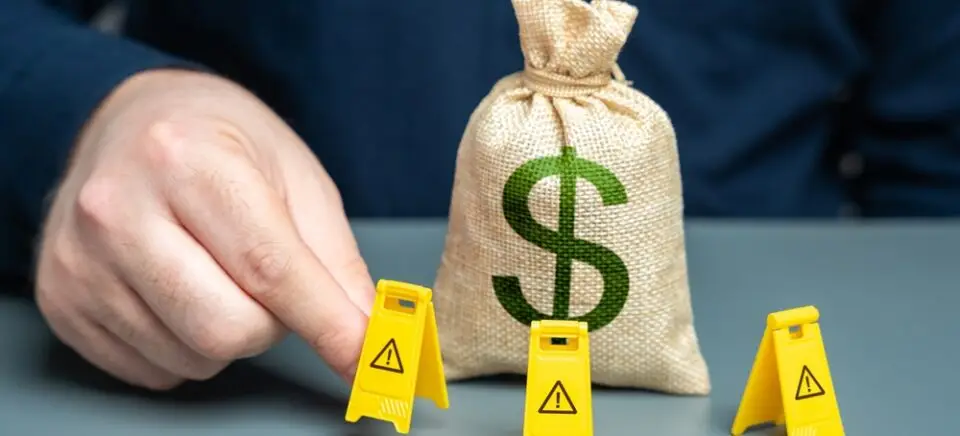
A cash-only bond is a type of bail that must be paid entirely in cash. Unlike other bonds, where a bail bondsman or property can be used to secure release, a cash-only bond requires the full amount to be paid directly to the court before the defendant can be released from jail. This condition is often set when the judge believes the defendant is a high flight risk or has previously failed to appear in court.
How a Cash-Only Bond Works
When a court issues a cash-only bond, it means that no surety bond (from a bail bondsman) or property bond (like real estate) will be accepted. The total amount set by the judge must be deposited in cash or by other approved financial instruments, such as a money order or certified cashier’s check. Once paid, the defendant is released under the condition that they attend all court dates.
- Amount set by court – Could be any figure, such as $1,000, $5,000, or higher.
- Must be paid in full – No percentage or installment plans allowed.
- Refundable – If the defendant meets all court obligations, the money is returned (minus any fees or fines).
Why Judges Use Cash-Only Bonds
Judges assign cash-only bonds when they believe it is the most effective way to ensure a defendant returns to court. This often applies in cases where the defendant has…
- A history of failing to appear in court
- Outstanding warrants or previous bond violations
- No ties to the community or is likely to flee
- Been charged with a serious or repeat offense
What Happens If the Bond Isn’t Paid?
If the full cash bond is not paid, the defendant will remain in custody until their case is resolved or the court modifies the bond terms. Family or friends can pay the bond on the defendant’s behalf, but they must provide the full amount up front. If the defendant fails to appear, the court keeps the cash and may issue a warrant for arrest.
Difference Between Cash Bond and Other Bonds
- Cash bond – Full amount must be paid in cash to the court.
- Surety bond – A bail agent pays the full amount after being paid a non-refundable fee (usually 10%).
- Property bond – Real estate or other property is used as collateral.
A cash-only bond is a strict form of bail designed to keep defendants accountable. It requires the full amount to be paid directly to the court, making it more difficult for some individuals to secure release. This type of bond is typically used in higher-risk cases and is meant to discourage the defendant from fleeing or violating court orders. If all conditions are met, the full amount is usually refunded at the end of the case.
Can You Get A Bail Bond For A Felony?

Where Does Bail Money Go Towards?

How Long Do The Feds Have To Indict You?
