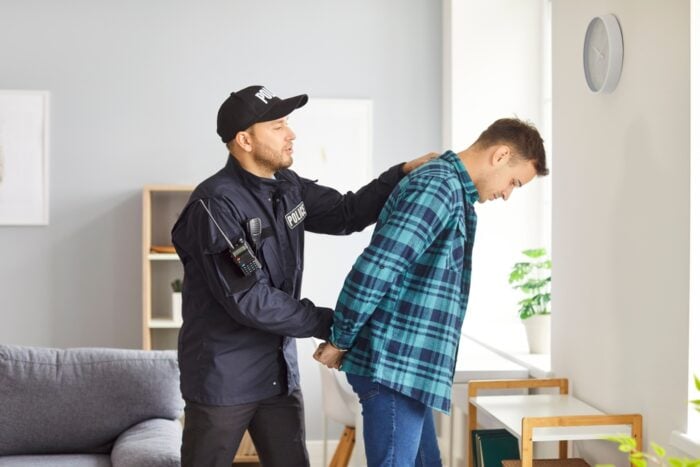
The top reason probation gets revoked is failing to comply with probation conditions. This includes actions such as missing meetings with a probation officer, failing drug or alcohol tests, not completing required programs, or committing a new crime. When these violations occur, the probation officer reports them to the court, which can lead to a revocation hearing and possible jail or prison time.
Failure to Report or Attend Meetings
Missing scheduled meetings with a probation officer is one of the most common violations. Courts view this as a serious issue because consistent communication is a key part of supervision and accountability.
- Missing check-ins or failing to call the probation officer.
- Changing address or employment without permission.
- Ignoring supervision requirements or instructions.
Positive Drug or Alcohol Tests
Many offenders are required to stay drug- and alcohol-free during probation. Failing a test or refusing to take one can lead to an immediate violation report. Multiple failed tests often result in stricter conditions or full revocation.
- Testing positive for illegal substances or alcohol.
- Refusing or skipping a scheduled drug test.
- Associating with known drug users or visiting prohibited places.
Committing a New Crime
Committing any new offense while on probation almost always results in revocation. Courts treat new criminal activity as proof that the offender has not followed rehabilitation terms and poses a continued risk to the community.
- New arrests or charges, even for misdemeanors.
- Violent or drug-related crimes during probation.
- Failing to report an arrest to a probation officer.
Not Completing Court-Ordered Requirements
Probation often includes mandatory tasks like counseling, community service, or restitution payments. Failing to complete these within the set timeframe can trigger a violation and revocation hearing.
- Skipping treatment or counseling programs.
- Not paying fines, court fees, or restitution.
- Ignoring community service or curfew orders.
Consequences of Revocation
When a violation is reported, the court holds a revocation hearing to determine if probation should be continued, modified, or revoked. If revoked, the offender may serve the original suspended jail or prison sentence.
- Minor violations may lead to warnings or stricter conditions.
- Serious or repeated violations often result in incarceration.
- Judges consider compliance history and effort before deciding.
The top reason probation gets revoked is failing to comply with probation terms, most often missing meetings, failing drug tests, or committing new crimes. Staying consistent with all requirements is the best way to avoid revocation and complete probation successfully.
What Happens With A Misdemeanor Warrant?
Can Employers See If You Are On Probation?

How Much Is A $5000 Cash Bond?