
What Are Two Reasons for Probation Revocation?
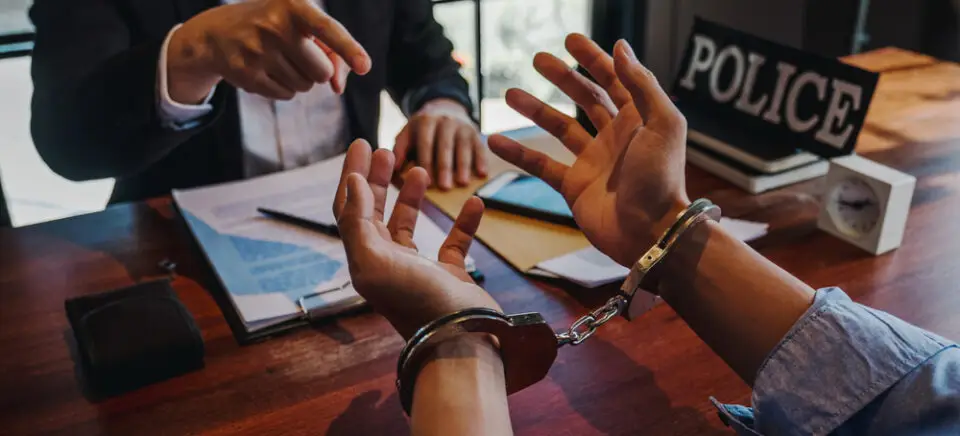
The two main reasons for probation revocation are technical violations and new criminal offenses. When a person is on probation, they must follow certain conditions set by the court, such as attending meetings, avoiding drugs or alcohol, and staying out of legal trouble. Breaking these rules or committing a new crime can cause the court to revoke probation and send the individual to jail or prison.
Technical Violations
A technical violation happens when someone disobeys the rules of their probation but doesn’t commit a new crime. These violations show noncompliance with the court’s conditions, even if no law was broken. Judges take these seriously because they indicate a failure to follow supervision orders.
- Missing meetings – Failing to report to a probation officer as required.
- Failed drug tests – Testing positive for illegal substances or alcohol.
- Ignoring court orders – Not completing community service, treatment, or counseling programs.
- Traveling without permission – Leaving the county or state without approval.
- Not paying fines or restitution – Failing to make required financial payments on time.
New Criminal Offenses
Committing a new crime while on probation is the most serious reason for revocation. Even minor offenses can trigger a probation violation because they prove the offender has not complied with the law. The new charge doesn’t have to result in a conviction before a violation hearing occurs.
- Arrests or new charges – Being arrested for any new offense violates probation terms.
- Felony or misdemeanor offenses – Both can result in probation being revoked.
- Immediate consequences – The judge can order detention or full revocation pending the outcome.
What Happens After a Violation
When a probation officer reports a violation, the court schedules a revocation hearing. During this hearing, the judge reviews the evidence and decides but to continue, modify, or revoke probation. The outcome depends on the severity of the violation and the person’s history of compliance.
- Minor violations – May result in a warning or stricter supervision.
- Repeated violations – Often lead to jail time or full revocation.
- New offenses – Almost always result in probation being revoked.
Probation can be revoked for technical violations like missed meetings or failed drug tests, and for committing new crimes while under supervision. The severity of the violation determines if the person remains on probation or goes to jail.

Can A Judge Give You Probation Instead Of Jail Time?
How To Clear A Probation Violation Warrant?
Can You Get Probation For Aggravated Assault In Kansas?
