
What Is The Special Rule 26 In Kansas?
In Kansas criminal law, K.S.A. 21-6805(f)(1), commonly known as Special Rule 26, applies to repeat felony drug offenders. It requires judges to impose prison time

In Kansas criminal law, K.S.A. 21-6805(f)(1), commonly known as Special Rule 26, applies to repeat felony drug offenders. It requires judges to impose prison time

When a person has an active warrant, their chances of being released from jail depend on the type of warrant, the seriousness of the charges,

The odds of winning a DUI case depend on the specific facts, the evidence, and the quality of your legal defense. There’s no fixed percentage,
To find out if someone has posted a bond and been released from jail, you can contact the jail, check online inmate records, or ask
When someone is arrested, they are taken into custody and booked at a local jail. In many cases, the court allows the individual to be
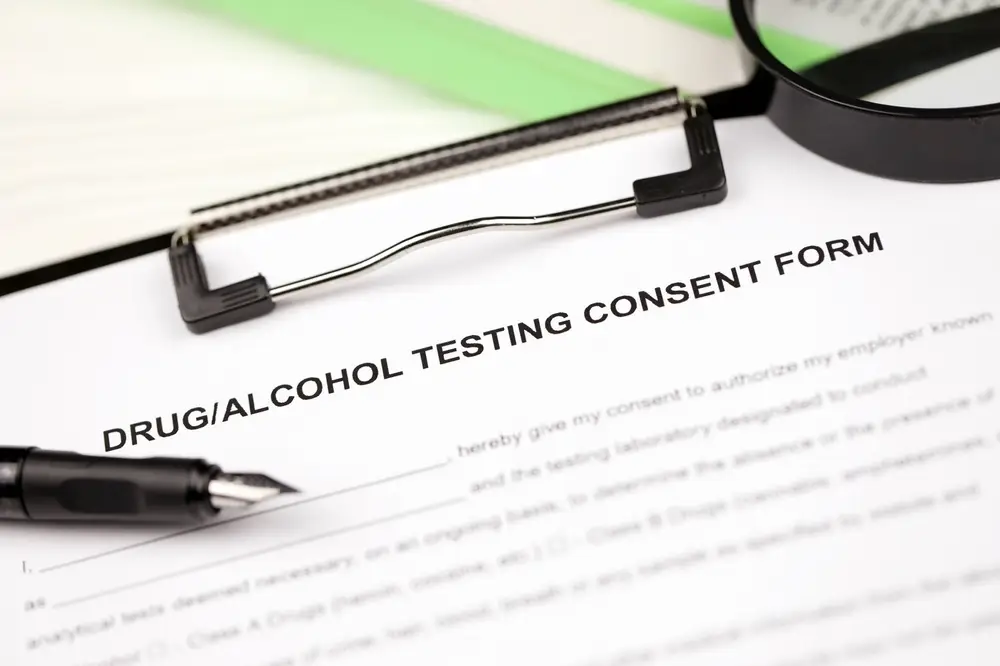
When a defendant is released on bond, one common condition imposed by the court is to submit to regular drug testing. These tests help ensure

Customer service plays a vital role in the bail bonds industry because clients are often in crisis when they reach out for help. They may

Calculating a bond payout depends on the type of bond posted, the total bail amount, and the outcome of the case. A bond payout refers

Contrary to popular belief, most burglaries do not happen in the middle of the night. In fact, statistics show that burglaries are more likely to
If a bond is set at $1,000, the amount you actually pay depends on how you choose to post it. You can either pay the

Probation revocation occurs when a person who has been sentenced to probation violates its terms, and the court decides to cancel it. Once probation is
Yes, you can bail yourself out of jail in Kansas if you have the money or resources to do so. The process depends on the

Having good credit helps when applying for a surety bond, but it is not always required. Many bonding companies consider multiple factors when approving applicants

The punishment for accidentally killing someone in Kansas depends on the circumstances and level of negligence involved. These cases are typically charged as forms of

In Kansas, there’s no legal difference between a DUI (Driving Under the Influence) and a DWI (Driving While Intoxicated). The state uses the term DUI