

The terms DWI and DUI are often used when someone is arrested for driving under the influence of alcohol or drugs. While they sound similar, the meaning and severity can differ depending on the state where the arrest takes place.…
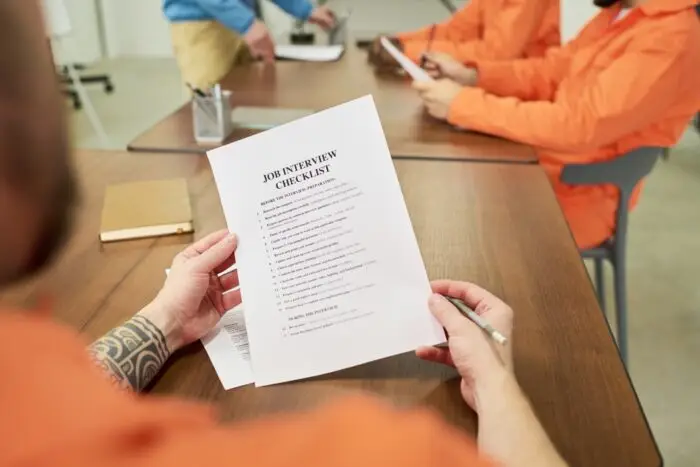
Getting a government job with a felony conviction is possible in some cases, but it depends on the type of felony, how much time has passed, and the specific job you’re applying for. Federal, state, and local government agencies all…

A $50,000 bond means that the court has set bail at $50,000 as the financial guarantee for a defendant’s release from jail before trial. The bond serves as a promise that the defendant will appear for all court dates and…

After a DUI conviction in Kansas, you may qualify for a restricted driver’s license that allows limited driving privileges while your suspension is still active. A restricted license lets you drive to work, school, treatment programs, or medical appointments. To…

Flying with a misdemeanor warrant is possible in some cases, but it carries significant risk. The Transportation Security Administration (TSA) does not typically check for arrest warrants during airport screening, which means some people can fly without being stopped. However,…
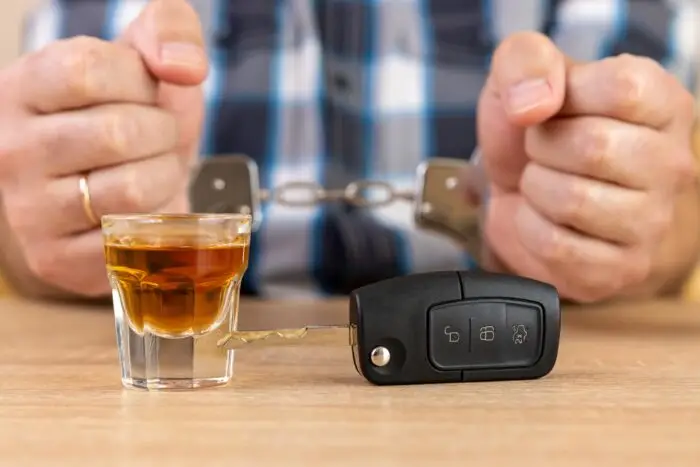
Beating a DUI case can be difficult, but not impossible. The outcome depends on the facts of the case, the quality of evidence, and how the arrest was handled. While DUI charges are serious and often backed by chemical tests…

There’s no such thing as a “good” charge for battery, but in legal terms, the best possible outcome depends on the degree and severity of the offense. Battery charges range from simple battery, a misdemeanor with lighter penalties, to aggravated…

Turning yourself in shows responsibility and cooperation with the law. Many judges and law enforcement officers view this as a positive step, which can help your chances of getting a bond. You receive a bond that depends on the type…

The length of time someone can be held on a federal detainer depends on the nature of the charges, the cooperation between state and federal authorities, and how quickly the case moves through the system. A detainer is a formal…

Yes, it’s possible to get unsupervised probation for a felony, but it’s uncommon. Courts usually reserve unsupervised probation, also called “informal” or “non-reporting” probation, for defendants who pose little risk of reoffending. Most felony cases involve supervised probation, meaning regular…