

You do not need perfect credit to bail someone out of jail, but your credit history can affect the options available to you, especially if you use a bail bondsman. In Kansas and most states, bail bond companies check financial…

Manslaughter and third-degree murder are both serious felony crimes, but third-degree murder is worse because it carries harsher penalties and implies a higher level of recklessness or disregard for human life. Manslaughter usually involves unintentional killing without malice, while third-degree…

A $30,000 surety bond typically costs between $300 and $3,000, depending on your credit score, financial history, and the type of bond. Most people pay between 1% and 5% of the bond amount if they have good credit, while higher-risk…
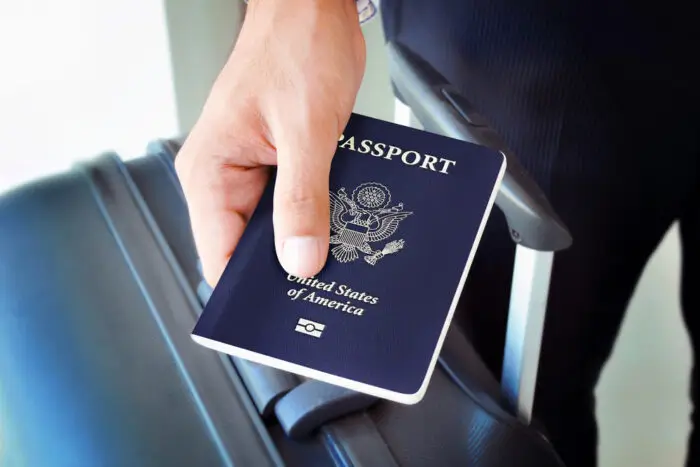
In most cases, you cannot get a passport while out on bond unless the court or your bondsman grants permission. Being out on bond means you’re awaiting trial or sentencing, and travel restrictions are usually part of your release conditions.…

In Kansas, registered sex offenders are not required to personally tell their neighbors that they are on the registry. State law does not mandate door-to-door notification or direct contact with the community. Instead, sex offenders must register their information with…

When a judge sets a cash-only bond, it means the full bail amount must be paid directly to the court or jail in cash, certified funds, or money order; no bail bondsman or surety bond can be used. This type…

Someone may be held without a bond when the court decides that releasing them before trial would be unsafe or inappropriate. Judges use this option for serious crimes, repeated offenses, or situations where a defendant is likely to flee or…

“Murderers' Row” is a term that originated in early 20th-century baseball to describe a powerful lineup of hitters, especially associated with the 1927 New York Yankees. Over time, the phrase has also been used informally in prisons to describe a…

A misdemeanor warrant does not simply expire after a set amount of time. Once issued by a judge, it remains active until the person named in the warrant is arrested, appears in court, or the court recalls the warrant. In…

DWI, DUI, and OWI all refer to driving offenses involving alcohol or drugs, but the difference lies in the specific terminology and laws used by each state. All three mean operating a vehicle while impaired, though some states use one…