
Will Police Come To Your House For A Misdemeanor Warrant?
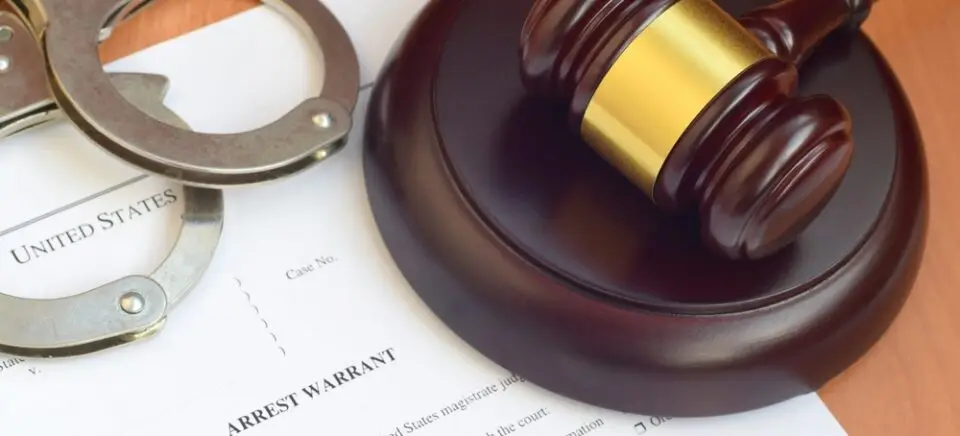
Yes, police can come to your house for a misdemeanor warrant in Kansas, but how actively they pursue it depends on the situation. A misdemeanor warrant gives law enforcement the legal authority to arrest you, yet officers usually prioritize felony warrants or serious offenses first. That said, if they know your location or encounter you during a traffic stop, they can arrest you on the spot.
What a Misdemeanor Warrant Means
A misdemeanor warrant is issued when you fail to appear in court, violate probation, or are charged with a lower-level offense like petty theft, DUI, or simple assault. It allows law enforcement to take you into custody at any time.
- Legal authority – Police can arrest you once a judge signs the warrant.
- Public record – Warrants are entered into statewide databases accessible to all Kansas officers.
- Applies anywhere – You can be arrested at home, work, or during a routine stop.
When Police Might Come to Your Home
For most misdemeanor warrants, officers won’t actively search your home unless the case involves repeated failures to appear or public safety concerns. But if they know where you live and the warrant is active, they can legally come to your residence to serve it.
- Nonviolent misdemeanors – Usually handled through voluntary surrender or traffic stops.
- Repeated missed court dates – Increases the chance of a home visit.
- Serious misdemeanors – Such as DUI or domestic battery, may lead to quicker enforcement.
What Happens If You’re Home
If officers come to your house with a valid warrant, they have the right to arrest you. They may knock and announce themselves but can enter if they have reason to believe you’re inside. Resisting or refusing to comply can add extra charges.
- Cooperate calmly – Resisting arrest can escalate the situation.
- Confirm the warrant – You may ask to see or verify the warrant.
- You’ll be booked – After arrest, you’ll go through standard processing and may post bond for release.
How to Handle an Active Warrant
If you know a misdemeanor warrant is active, it’s best to turn yourself in rather than wait for police to arrive. Voluntary surrender often leads to a smoother process and may improve how the court views your cooperation.
- Contact the court or sheriff’s office – Confirm the warrant and ask about bond.
- Hire an attorney – A lawyer can arrange your surrender and possibly reduce penalties.
- Post bond – In many cases, you can bond out the same day.
What Happens After Arrest
Once arrested, you’ll be taken to the county jail for booking. Depending on the charge, you may post bail immediately or appear before a judge within 48 hours to determine release conditions.
- Booking process – Includes fingerprints, mugshot, and paperwork.
- Bail hearing – Judge sets bond amount or release terms.
- Future court date – Missing it again can result in another warrant.
Police can come to your home for a misdemeanor warrant, though they typically prioritize more serious cases. Turning yourself in is often the best option to resolve the issue quickly and avoid an unexpected arrest.
Can I Bail Myself Out If I Have A Warrant?

Will A Misdemeanor Warrant Stop Me From Getting A Job?

What Is A No-knock Warrant?
