How Long Do Warrants Last In Kansas?

In Kansas, warrants do not expire. Once a judge issues a warrant, it remains active until the person is arrested, appears in court, or the court formally recalls or cancels it. In case it’s for a misdemeanor, felony, or failure to appear, a Kansas warrant stays valid indefinitely.
Types Of Warrants In Kansas
Kansas courts issue some types of warrants depending on the situation.
- Arrest warrants – Issued when law enforcement has probable cause that a person committed a crime.
- Bench warrants – Issued by a judge when a defendant fails to appear in court as ordered.
- Search warrants – Allow police to search specific locations for evidence related to a criminal investigation.
Do Warrants Expire Over Time
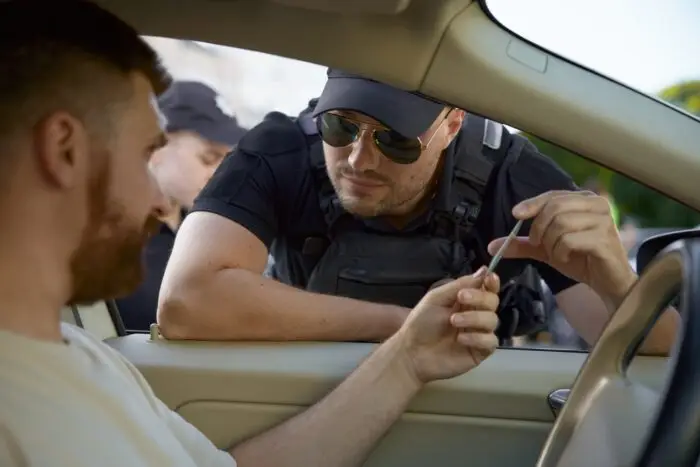
Unlike traffic tickets or fines, warrants in Kansas never expire. They remain valid until cleared by the court system. Even if years pass, law enforcement can still arrest you if the warrant is discovered during a traffic stop or background check. Ignoring a warrant can also lead to additional penalties or denial of future bail.
How Long A Warrant Can Remain Active
A warrant can stay active for decades. In some cases, people are arrested years later after forgetting or not knowing they had an outstanding warrant. Because warrants are stored in law enforcement databases, they can surface during routine checks or employment screenings at any time.
How To Clear A Warrant
If you discover a warrant in your name, it’s important to act quickly. You can clear a Kansas warrant by voluntarily appearing in court or contacting an attorney to schedule a hearing. If it’s a failure-to-appear warrant, appearing voluntarily often helps reduce penalties. For serious cases, surrendering with legal representation may result in more favorable treatment from the court.
Consequences Of Ignoring A Warrant
Failing to address a warrant can lead to unexpected arrest, higher fines, and loss of driving privileges. Warrants also appear during background checks, affecting employment or travel. Taking care of it voluntarily is always safer than waiting for an arrest.
How To Get A Restricted License In Kansas After DUI?

Does Kansas Have A Three-strikes Law?

Can I Bond Myself Out Of Jail In Kansas?