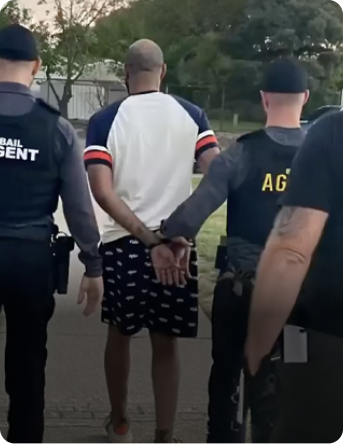
Can Bounty Hunters Cross State Lines?

Yes, bounty hunters can cross state lines in certain situations, but they must follow specific legal rules. Bounty hunting is legal in many states, but it is heavily regulated. Since each state has its own laws, a bounty hunter must be cautious and knowledgeable about what is allowed in both the state where the bond was issued and the state they are entering.
Crossing State Lines to Find a Fugitive
Bounty hunters are often allowed to pursue fugitives across state lines if the person they are seeking failed to appear in court after posting a bail bond. The authority comes from the bail contract the fugitive signed. That agreement typically allows the bail bond company and its agents to locate and return the defendant even across state borders.
- The bounty hunter must have documentation proving the person skipped bond
- They may need to notify or coordinate with law enforcement in the state they are entering
- Some states require bounty hunters to register before taking any action
While federal law does not directly regulate bounty hunting, the U.S. Supreme Court has affirmed that bondsmen and their agents have broad powers to apprehend fugitives, including travel between states when authorized by the original agreement.
States With Restrictions
Some states ban or restrict bounty hunting, which affects a bounty hunter’s ability to operate there. These states may…
- Require special licenses or permits to act as a bail enforcement agent
- Ban commercial bail bonds altogether, making bounty hunting illegal by default
- Require a court order or local police involvement for out-of-state captures
If a bounty hunter enters one of these restricted states without proper authorization, they risk arrest, lawsuits, or being charged with kidnapping or unlawful detention.
Best Practices
To avoid legal trouble, bounty hunters often take steps before crossing state lines, such as…
- Checking local laws in the target state
- Notifying local law enforcement of their presence and purpose
- Bringing legal documents that prove the right to apprehend the fugitive
- Ensuring compliance with licensing and training requirements
Bounty hunters can cross state lines to capture fugitives, but they must respect the laws of both the sending and receiving states. While their authority is based on the bail agreement, failing to follow proper procedures can result in serious legal consequences. The safest approach is to coordinate with legal professionals and local authorities before pursuing a fugitive in another state.