How Do Bail Bonds Work In Kansas?
Bail bonds in Kansas allow a defendant to be released from jail while awaiting trial by paying a percentage of the total bail amount through

Bail bonds in Kansas allow a defendant to be released from jail while awaiting trial by paying a percentage of the total bail amount through
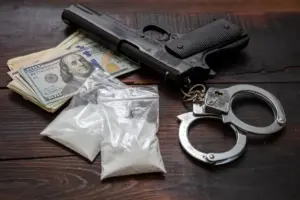
Yes, a drug possession charge does go on your record if you are convicted. It becomes part of your permanent criminal history and can affect
A bond amount of $100,000 is typically set when the court believes the charges are serious and the defendant may pose a higher risk of

In Kansas, a DUI can affect your car insurance for around five years. After a conviction, insurance companies view you as a high-risk driver, which
If you have no bond, getting out of jail is difficult but not impossible. A no-bond status means the judge has decided you cannot be
Murderers can sometimes be granted bonds because the U.S. legal system presumes every defendant is innocent until proven guilty. Bail or bond is a constitutional
Yes, federal courts do have bonds, but they operate very differently from state bail systems. In federal cases, a bond is not a quick cash

The amount you pay on a $10,000 bond depends on how you post the bond, either by paying the full amount in cash directly to

A bond hearing determines if you can be released from jail before trial and how much money or conditions are required for that release. Preparing

The bond for simple assault varies depending on the state, the severity of the incident, and the defendant’s criminal record. In most jurisdictions, the bond